Our Location
304 North Cardinal St.
Dorchester Center, MA 02124

304 North Cardinal St.
Dorchester Center, MA 02124

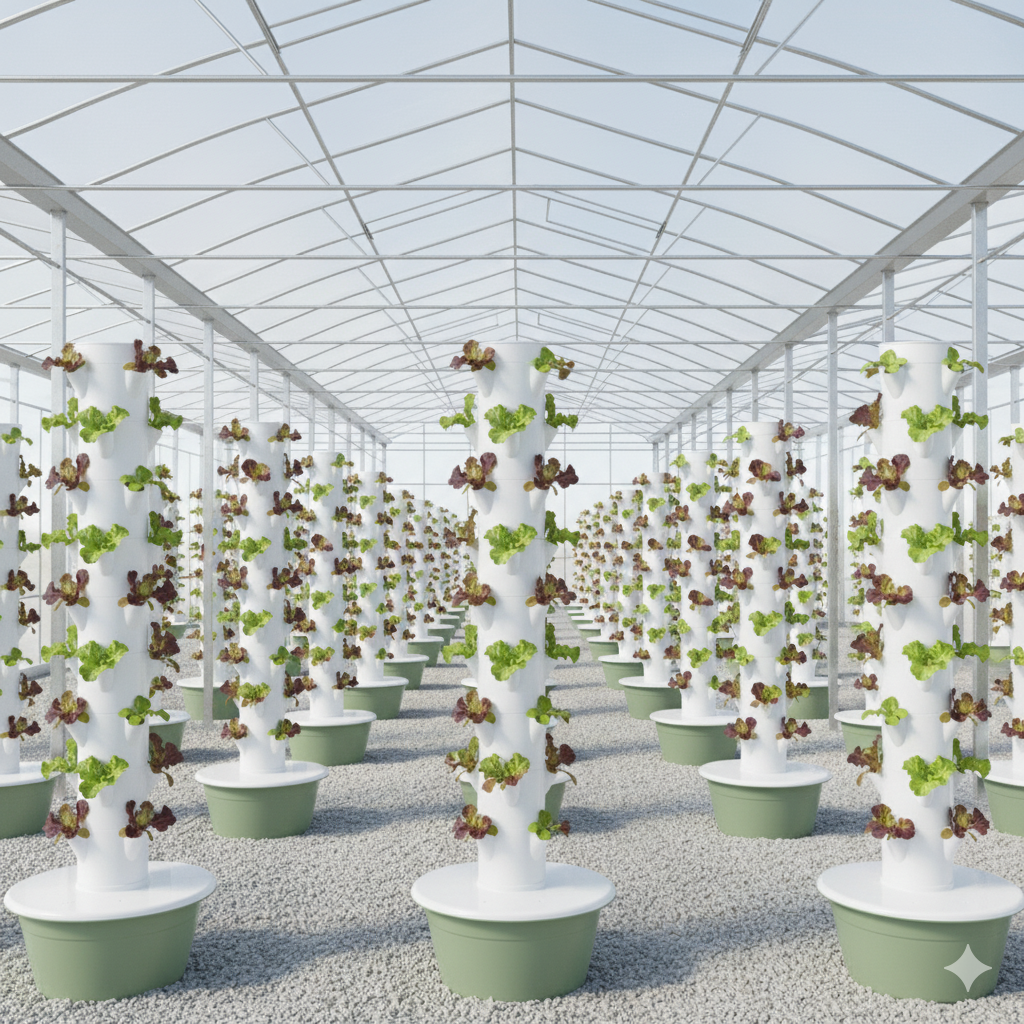
Discover how vertical hydroponic systems are transforming the way we grow food
Introduction
Imagine harvesting fresh, crisp lettuce from your backyard—without ever touching a shovel. Or growing enough herbs to supply your family (and maybe even your neighbors) from a footprint smaller than a trash can. This isn’t science fiction. It’s the reality of hydroponic tower gardening.
Hydroponic towers are vertical growing systems that use nutrient-rich water instead of soil to cultivate plants. As someone who has spent years exploring soilless growing methods, I can confidently say that tower systems represent one of the most exciting innovations in modern agriculture.
In this comprehensive guide, I’ll walk you through every advantage of hydroponic towers—from water conservation to space efficiency—and help you understand why thousands of gardeners are making the switch.
What Exactly Is a Hydroponic Tower?
Before diving into the benefits, let’s clarify what we’re talking about.
A hydroponic tower is a vertical growing structure where plants are inserted into pockets along a cylindrical column. Nutrient-rich water pumps to the top and trickles down over the plant roots, delivering exactly what they need to thrive. The water then recirculates back to the reservoir, creating a closed-loop system that wastes virtually nothing.
Think of it as an apartment building for your plants—stacked vertically to maximize space while providing premium living conditions for every resident.
The Top Advantages of Hydroponic Towers
The numbers are staggering. Hydroponic towers use up to 90-95% less water than traditional soil gardening.
Here’s why this matters:
In an era of increasing drought and water restrictions, this alone makes towers worth considering. I’ve grown full tomato plants using less water than a single shower.
Space is the most common limitation I hear from gardeners. Hydroponic towers solve this brilliantly.
Small footprint, big production:
For urban dwellers and apartment residents, this is revolutionary. You don’t need a backyard. You don’t even need a balcony facing the right direction—some growers use grow lights indoors.
Plants in hydroponic towers grow 25-30% faster than their soil counterparts.
Why the speed boost?
My lettuce goes from seed to harvest in about 30 days with towers. In soil, I was waiting 45-50 days. That’s nearly double the harvests per year.
Gardening without soil eliminates a host of common problems:
I haven’t used pesticides since switching to towers. The plants are simply healthier and more resilient.
Because towers are often portable and adaptable, you can grow in any season:
Fresh tomatoes in January? Absolutely possible with the right setup.
This might be my favorite advantage. Remember spending hours pulling weeds on hot summer days? With towers, that’s completely eliminated.
What you won’t do:
Your gardening time becomes purely enjoyable—planting, harvesting, and light maintenance.
Plants grown in well-managed hydroponic systems often have higher nutrient density.
Because you control exactly what goes into the water, you can:
The result? More flavorful herbs, crispier lettuce, and healthier vegetables.
Commercial Advantages: Beyond Home Gardening
If you’re reading this as a business owner or aspiring farmer, hydroponic towers offer additional benefits:
Controlled environment growing means predictable results. Restaurants love knowing they’ll receive identical quality with every delivery.
Adding production capacity is simple—just add more towers. No need for additional land acquisition or major infrastructure changes.
“Isn’t hydroponic growing complicated?”
Modern tower systems are designed for beginners. Most come with simple instructions, and the day-to-day maintenance involves checking water levels and pH—tasks that take minutes.
“What about electricity costs?”
The pumps used in towers are surprisingly efficient. Most run on less power than a standard light bulb. When you factor in water savings and increased production, the economics work strongly in your favor.
“Do the plants taste different?”
In my experience, properly grown hydroponic produce tastes better than average soil-grown food. The flavors are clean and pronounced because plants receive optimal nutrition throughout their life cycle.
Ready to try tower gardening? Here’s my advice for beginners:
As our population grows and arable land becomes scarcer, growing food vertically isn’t just interesting—it’s necessary. Hydroponic towers represent a practical, accessible step toward sustainable food production that anyone can participate in.
Whether you’re a homeowner wanting fresh salads year-round, an apartment dweller dreaming of homegrown herbs, or an entrepreneur exploring agricultural opportunities, hydroponic towers deserve your attention.
The technology has matured. The benefits are proven. And the time to start is now.
Have questions about hydroponic towers? Drop them in the comments below, and I’ll help you get started on your soilless growing journey!
