Our Location
304 North Cardinal St.
Dorchester Center, MA 02124

304 North Cardinal St.
Dorchester Center, MA 02124

Discover the transformative advantages of hydroponic agriculture—from water efficiency to year-round production and beyond.
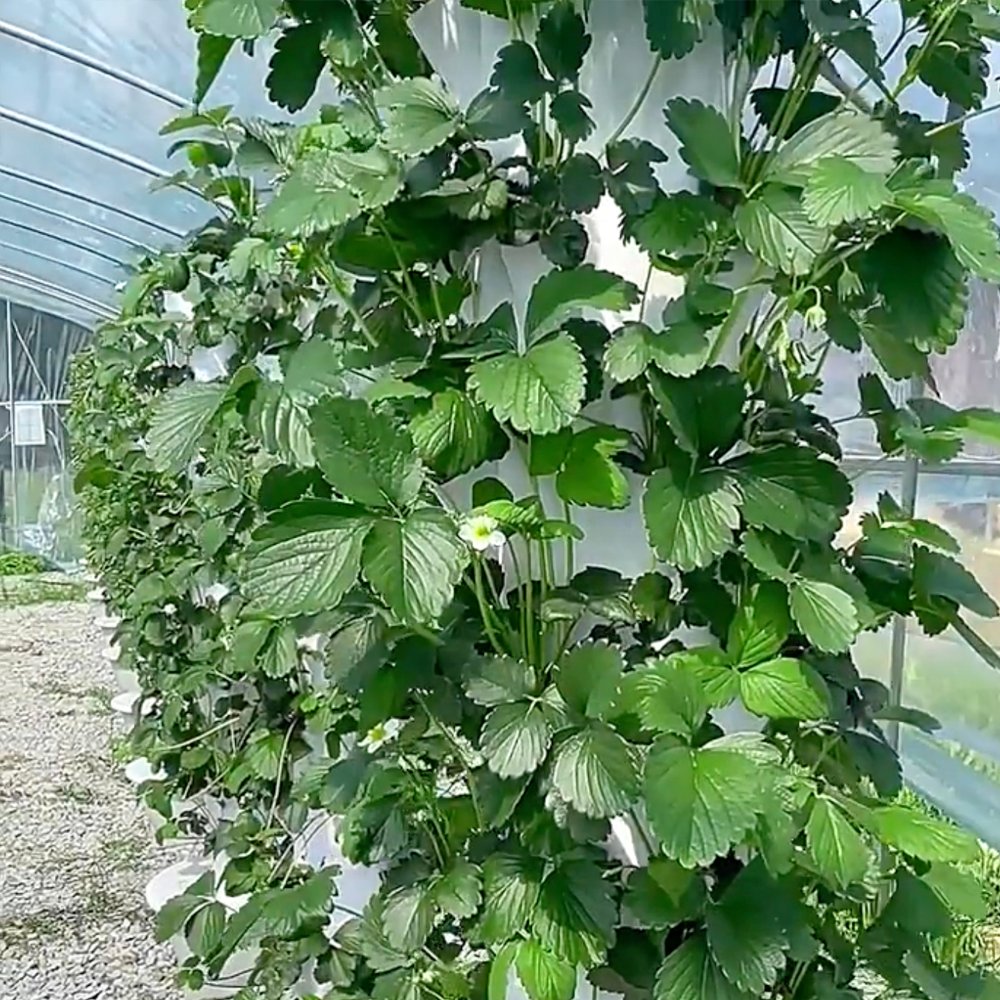
What if I told you that the future of farming doesnt require vast fields, perfect weather, or even soil? Welcome to the world of hydroponic agriculture—a revolution thats quietly transforming how we grow food, one vertical tower at a time.
Ive spent years studying agricultural innovation, and nothing has convinced me more of hydroponics potential than the results themselves. From backyard hobbyists to commercial operations, the advantages are too significant to ignore.
Water scarcity is no longer a distant threat—its todays reality. Hydroponics offers a solution.
Traditional soil farming loses water to evaporation, runoff, and weeds. Hydroponic systems?
In drought-prone regions, this isnt just efficient—its essential. A single hydroponic tower can produce hundreds of pounds of vegetables annually using less water than a weeks worth of showers.
Seasons dont dictate hydroponic harvests.
Whether its snowing outside or the heat wave continues, your indoor system maintains perfect growing conditions:
This reliability is a game-changer for food security and business planning alike.
Hydroponics grows up, not out.
Vertical systems pack maximum production into minimum footprint:
A single hydroponic tower occupying less than 2 square feet can grow 20-30 plants simultaneously. Try doing that in a garden bed.
Plants grow faster when life is easy.
Hydroponic systems provide optimal conditions 24/7:
Lettuce that takes 60 days in soil? Ready in 35-40 days hydroponically. Strawberries produce more fruit, more often. The numbers speak for themselves.
No soil means no soil-borne diseases.
Hydroponic growing eliminates many common agricultural problems:
The result? Cleaner food that requires less washing and fewer chemical treatments from farm to table.
Hydroponics is easier on your back and your budget—long-term.
Consider the labor savings:
Initial setup costs more than seeds and dirt, yes. But the reduced labor, higher yields, and year-round production deliver ROI that traditional farming cant match.
Hydroponics is farming that gives back to the planet.
Environmental benefits include:
This is agriculture aligned with ecological responsibility—not fighting nature, but working smarter within it.
This isnt theory. Its happening now:
From individual growers to agribusiness giants, hydroponics is proving its worth across every scale.
Lets be honest—hydroponics isnt perfect yet.
Real challenges exist:
But heres the thing: every challenge is solvable. Education improves. Solar integration advances. Costs drop as adoption grows. The trajectory is clear.
Whether youre a homeowner, entrepreneur, or just curious—hydroponics offers something:
The barriers to entry have never been lower. The technology has never been better.
Hydroponic agriculture isnt just an alternative to traditional farming—its an upgrade. It solves problems that have plagued agriculture for centuries: water waste, land degradation, seasonal limitations, and chemical dependence.
The question is no longer if hydroponics will reshape our food system. The evidence is overwhelming. The question is how quickly well embrace it—and whether youll be part of the solution.
The future of food is growing vertically, efficiently, and sustainably. And its already here.
Have you tried hydroponic growing? Share your experience in the comments—Id love to hear your story.
