Our Location
304 North Cardinal St.
Dorchester Center, MA 02124

304 North Cardinal St.
Dorchester Center, MA 02124

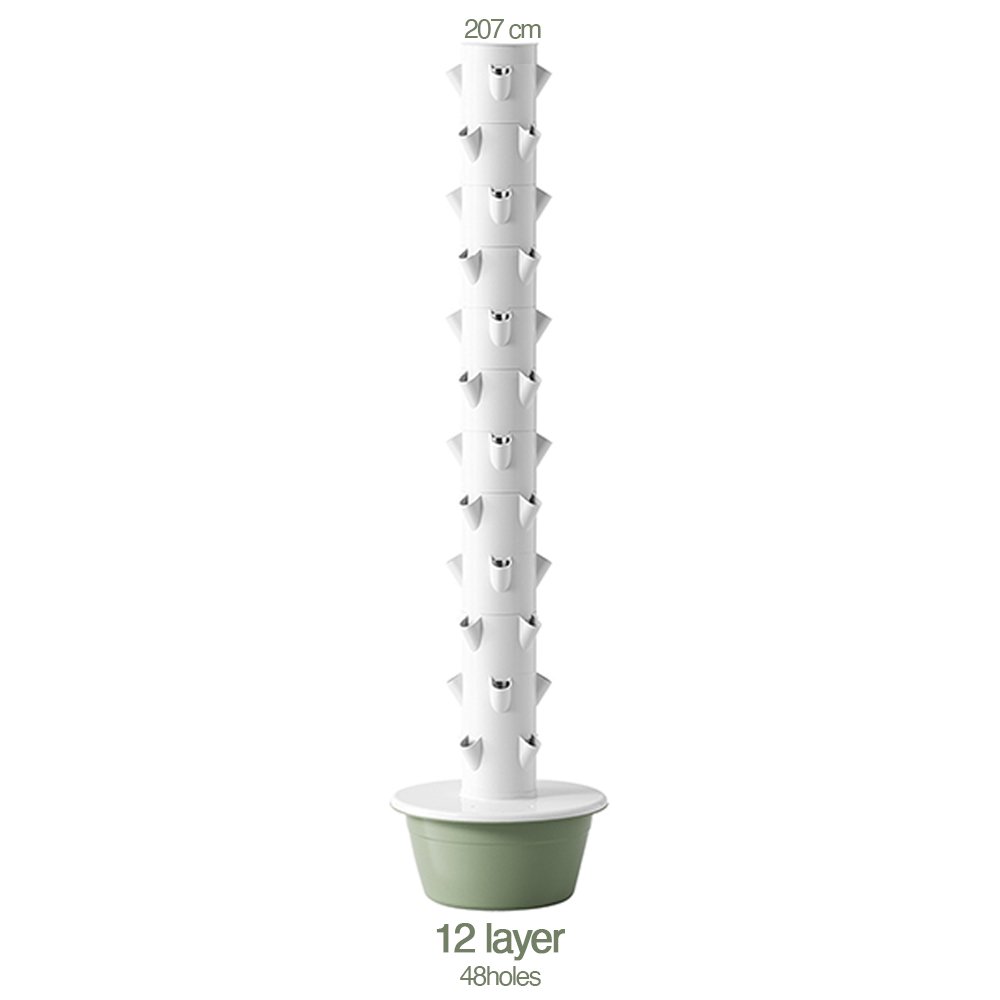
If you’re a commercial grower looking to scale up indoor or greenhouse production, you’ve probably come across three main hydroponic methods: hydroponic towers, NFT (Nutrient Film Technique), and DWC (Deep Water Culture). Each has its loyal advocates, but which one actually delivers the best ROI for a commercial operation?
In this guide, we’ll break down each system — from upfront costs to per-square-foot yields, maintenance demands to scalability — so you can make an informed purchasing decision. Whether you’re outfitting a 1,000-square-foot greenhouse or a 10-acre vertical farm, this comparison has you covered.
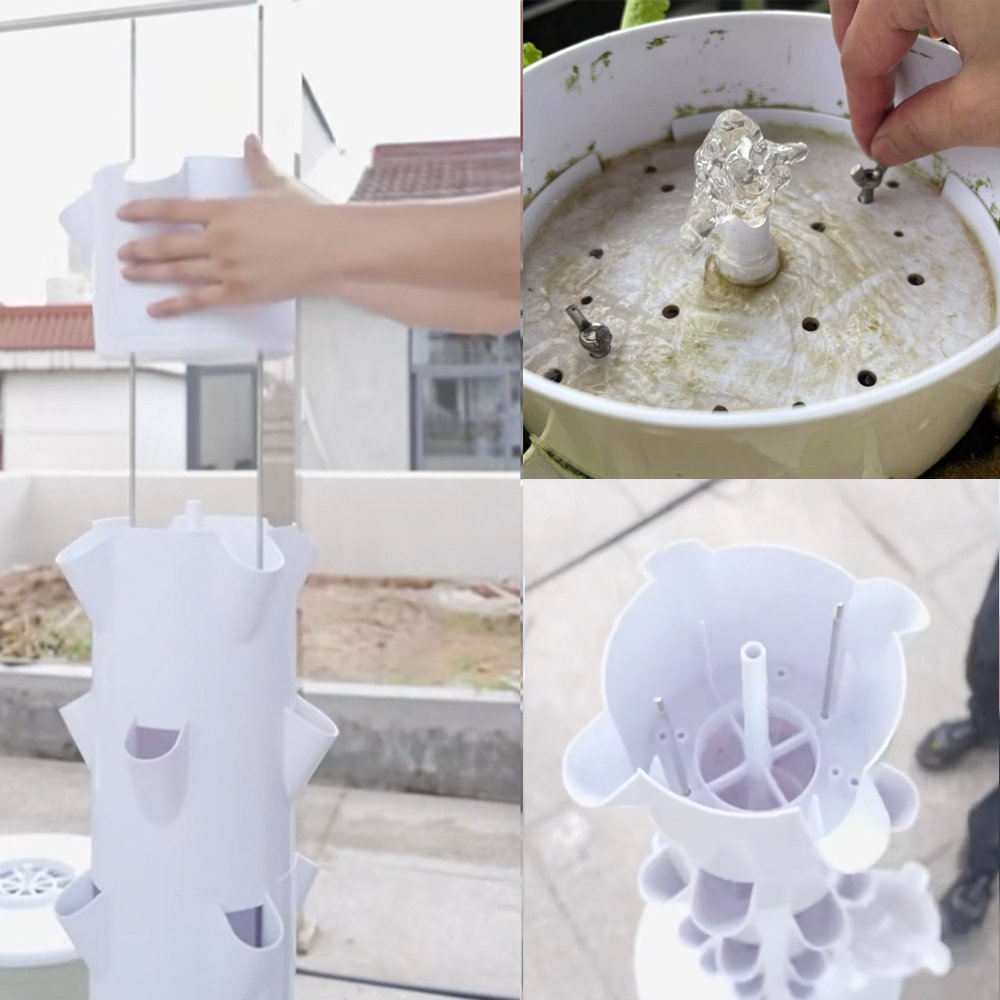
A hydroponic tower is a vertical growing system where plants are stacked in columns, typically 5 to 12 layers high. Nutrient-rich water is pumped to the top and trickles down through each layer via gravity, bathing the roots as it flows. Each tower can hold anywhere from 36 to 120+ plants in a footprint of just 1.5 to 3 square feet.
For B2B buyers sourcing from manufacturers like SpaceTree (China factory direct), hydroponic towers offer the best balance of density, simplicity, and cost-effectiveness. A single 12-layer tower with 96 planting positions costs roughly $30–$60 at factory pricing — a fraction of the per-plant cost of NFT or DWC systems.
NFT, or Nutrient Film Technique, is a horizontal hydroponic system where a thin film of nutrient solution flows through sloped channels or gutters. Plant roots sit in the bottom of the channel, absorbing nutrients from the shallow stream while the upper part of the root zone stays exposed to oxygen.
NFT is popular for leafy greens and herbs in large greenhouse operations. However, commercial-grade NFT systems require precision slope engineering (1–2% grade), high-quality pumps with backups, and consistent monitoring. Typical setup costs run $15–$40 per plant position for a professional-grade installation — 5–10x the per-plant cost of hydroponic towers.
DWC, or Deep Water Culture, suspends plant roots directly in a reservoir of oxygenated nutrient water. An air stone or diffuser at the bottom of each bucket or tank continuously bubbles oxygen through the solution, keeping roots healthy and active.
DWC is a favorite for beginners and growers focused on large-fruiting crops like tomatoes and peppers. But for commercial operations, the space footprint is a major limitation. A single DWC bucket occupies roughly 1–2 square feet for just 1–2 plants — compared to a hydroponic tower producing 36+ plants in the same footprint. Commercial DWC systems can cost $20–$50 per plant position when factoring in buckets, air pumps, and aeration infrastructure.
| Factor | Hydroponic Tower | NFT System | DWC System |
|---|---|---|---|
| Plants per sq ft | 30–50+ | 6–12 | 1–3 |
| Cost per plant position | $2–$5 (factory direct) | $15–$40 | $20–$50 |
| Setup complexity | Low — plug and grow | High — requires slope & precision | Medium — buckets & air lines |
| Water volume per plant | 0.3–0.5 L | 0.1–0.3 L | 8–20 L |
| Pump failure tolerance | 30–60 minutes | 5–15 minutes | 2–4 hours (air pump) |
| Best crops | Leafy greens, herbs, strawberries | Leafy greens, herbs | Tomatoes, peppers, large plants |
| Scalability (10,000+ plants) | Excellent — add towers | Good — but high engineering cost | Poor — space & weight issues |
| Labor requirement | Low — easy reach | Medium — bending & walking | High — per-bucket maintenance |
| Shipping cost (import) | Low — stacks flat (1/3 CBM per 100 towers) | Medium — channels are bulky | High — heavy buckets & lids |
Let’s look at a real-world scenario: outfitting a 10,000-square-foot greenhouse for commercial leafy green production.
| Metric | Hydroponic Towers | NFT | DWC |
|---|---|---|---|
| Total plant capacity | 66,000 plants | 60,000 plants | 15,000 plants |
| Initial equipment cost | $8,000–$12,000 | $45,000–$80,000 | $35,000–$60,000 |
| Annual electricity (pumps) | $600–$900 | $2,500–$4,000 | $1,800–$3,000 |
| Labor hours/week | ~20 hours | ~35 hours | ~50 hours |
| Cost per plant to harvest | $0.04–$0.08 | $0.12–$0.25 | $0.20–$0.40 |
The numbers are clear: for commercial growers prioritizing ROI, hydroponic towers offer the lowest cost per plant by a wide margin. Factory-direct pricing from Chinese manufacturers like SpaceTree further amplifies this advantage — you’re paying wholesale, not retail.
Here’s our recommendation based on your crop and scale:
For most commercial growers starting or scaling a vertical farm, hydroponic towers represent the best balance of cost, density, and simplicity. They’re the only system that combines factory-direct affordability with genuine vertical scalability.
At SpaceTree, we manufacture commercial-grade hydroponic towers directly from our factory in China — no middlemen, no markups. Each tower is made from food-grade UV-resistant ABS, ships flat to save on freight, and assembles in under 5 minutes.
We offer:
