Our Location
304 North Cardinal St.
Dorchester Center, MA 02124

304 North Cardinal St.
Dorchester Center, MA 02124

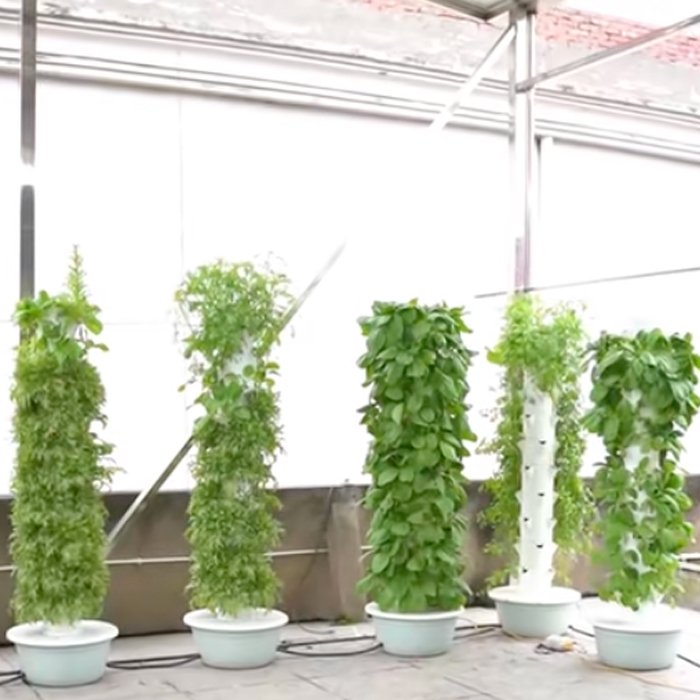
Container farms are the poster child of vertical farming. A 40-foot steel box, a rack of LED-lit shelves, and fresh greens growing in a parking lot — it looks like the future, and it photographs beautifully. It also costs more than $100,000 before you grow a single head of lettuce.
In this article, we put the two most popular commercial options head-to-head with real numbers: shipping container farms (Freight Farms, Growtainer, and similar systems) versus commercial hydroponic towers. We compare upfront investment, growing capacity, operating costs, and payback period — so you can decide which investment actually delivers better ROI before you sign the check.
It is easy to see the appeal. A container farm is a turnkey, climate-controlled growing room that can be dropped almost anywhere: a city rooftop, a desert, a snowy parking lot. The brand story is powerful — “farm fresh produce grown right in the neighborhood” — and the controlled environment means predictable yields year-round.
But there is a big difference between being able to grow in a container and making money with a container. The sticker price, the energy bill, and the maintenance burden are all significantly higher than most buyers expect. Before you compare yields, compare the balance sheet.
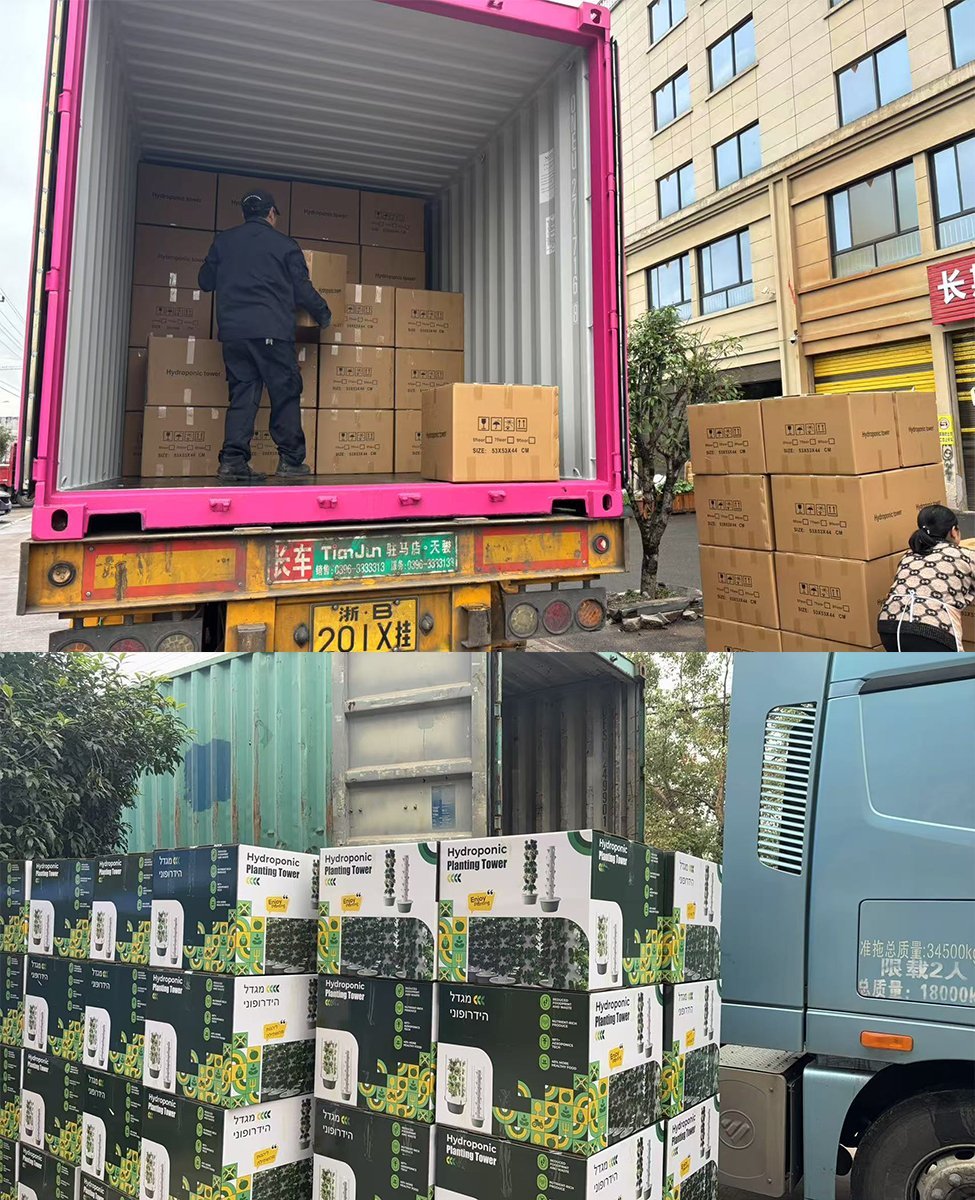
The most common container farm on the market is priced at roughly $94,000 to $150,000+ for a single 40-foot unit, and that is before delivery, site preparation, plumbing, electrical work, and permits. A commercial hydroponic tower system, by contrast, is a modular setup you can scale from a pilot run of 50 towers. Factory-direct, a 50-tower system typically costs a small fraction of one container unit — often 10–20% of the sticker price.
| Cost item | 40-ft container farm | 50-tower hydroponic system |
|---|---|---|
| Base unit price | $94,000 – $150,000+ | Typically 10–20% of a container farm |
| Installation & site setup | $10,000 – $30,000+ (plumbing, power, site work) | $300 – $600 |
| Permits & utility hookups | Often $5,000+ (HVAC, water, high-voltage power) | Minimal — standard water and power |
| Total first-year capital | $110,000 – $180,000+ | A fraction of the above |
That gap alone changes the economics of the project. A failed pilot on a container farm is a six-figure mistake; a failed pilot on 50 towers is a manageable learning cost — and you can grow out of it.
Here is where the container’s “320 square feet of growing space” marketing gets interesting. A 40-foot container provides roughly 320 sq ft of horizontal shelf area, which translates to around 2,000–3,000 planting positions.
A 12-layer hydroponic tower occupies less than 3 sq ft of floor space and holds 48–72 planting positions per tower. Run 50 towers in a greenhouse, tunnel, or even a simple outdoor layout, and you get 2,400–3,600 planting positions in roughly 150 sq ft of floor space — more crops in about half the footprint, at a fraction of the cost.
| Capacity metric | 40-ft container farm | 50-tower hydroponic system |
|---|---|---|
| Floor footprint | ~320 sq ft (the container itself) | ~150 sq ft |
| Planting positions | ~2,000 – 3,000 | 2,400 – 3,600 |
| Light source | 100% artificial LED | Natural light + optional LED supplement |
| Environment | Fully enclosed, climate-controlled | Greenhouse, tunnel, or outdoor |
The upfront price is only half the story. The monthly operating cost of a container farm is where many operators bleed money:
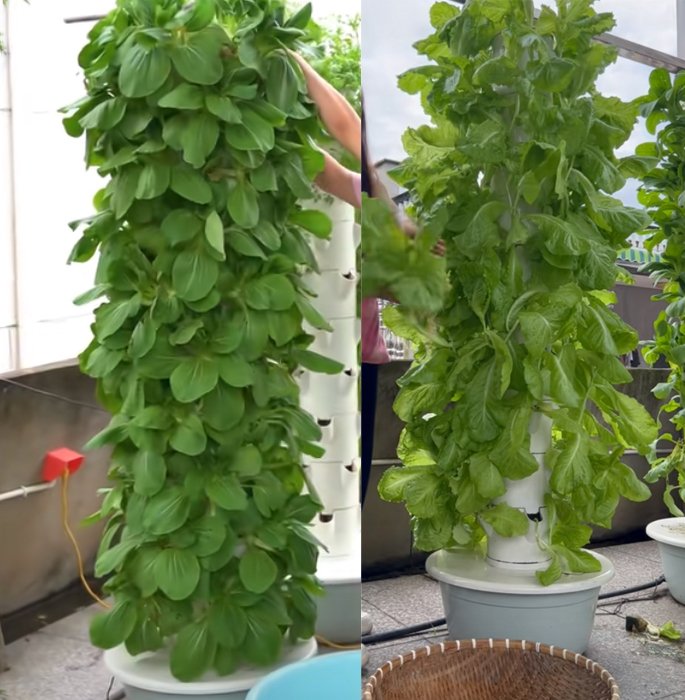
Hydroponic towers flip that math. With natural light doing most of the work, a 50-tower setup has no HVAC and no dehumidifier. Your main electricity draw is a water pump and optional LED supplements. Total monthly operating cost — nutrients, water, electricity, and consumables — typically lands in the $135 – $305 range for a 50-tower system. We break down every line item in our hydroponic tower cost breakdown.
This is the number that matters most, and it is the one container farm sellers rarely put in writing. Industry reports and operator case studies consistently show container farms taking 5 to 10 years — or longer — to pay back their initial investment. Some never do, because the depreciation on a tech-heavy, closed system is brutal and the resale market is thin.
| ROI factor | 40-ft container farm | 50-tower hydroponic system |
|---|---|---|
| Typical payback period | 5 – 10+ years | 7 – 18 months |
| Depreciation risk | High — specialized, thin resale market | Low — simple, modular, long service life |
| Break-even flexibility | All-or-nothing single bet | Scale up only as revenue grows |
Capital discipline is what separates profitable farms from expensive hobbies. A container farm forces you to commit your entire budget to one fixed asset before you know your market. A hydroponic tower system lets you sequence the risk:
This is how commercial growers actually scale in the real world: prove the unit economics small, then compound them. No single decision can sink the business.
Beyond the numbers, the two systems carry very different operational risks:
Choose a container farm if: you have six-figure capital, need a fully mobile climate-controlled unit in an extreme environment, or are selling the “high-tech urban farm” story itself as a brand experience.
Choose hydroponic towers if: you are cost-sensitive, want the fastest realistic payback, have greenhouse or outdoor space, or want to scale gradually without betting the farm on one asset.
For the vast majority of commercial leafy-green producers, the math is not close. A tower system delivers comparable or greater capacity at a fraction of the capital, a fraction of the energy bill, and a payback measured in months instead of years. The container farm looks better on Instagram; the tower system looks better on your P&L.
Want the full cost breakdown for a commercial tower setup — or a factory-direct quote for your first 50 towers? Our team will walk you through the numbers.
