Our Location
304 North Cardinal St.
Dorchester Center, MA 02124

304 North Cardinal St.
Dorchester Center, MA 02124

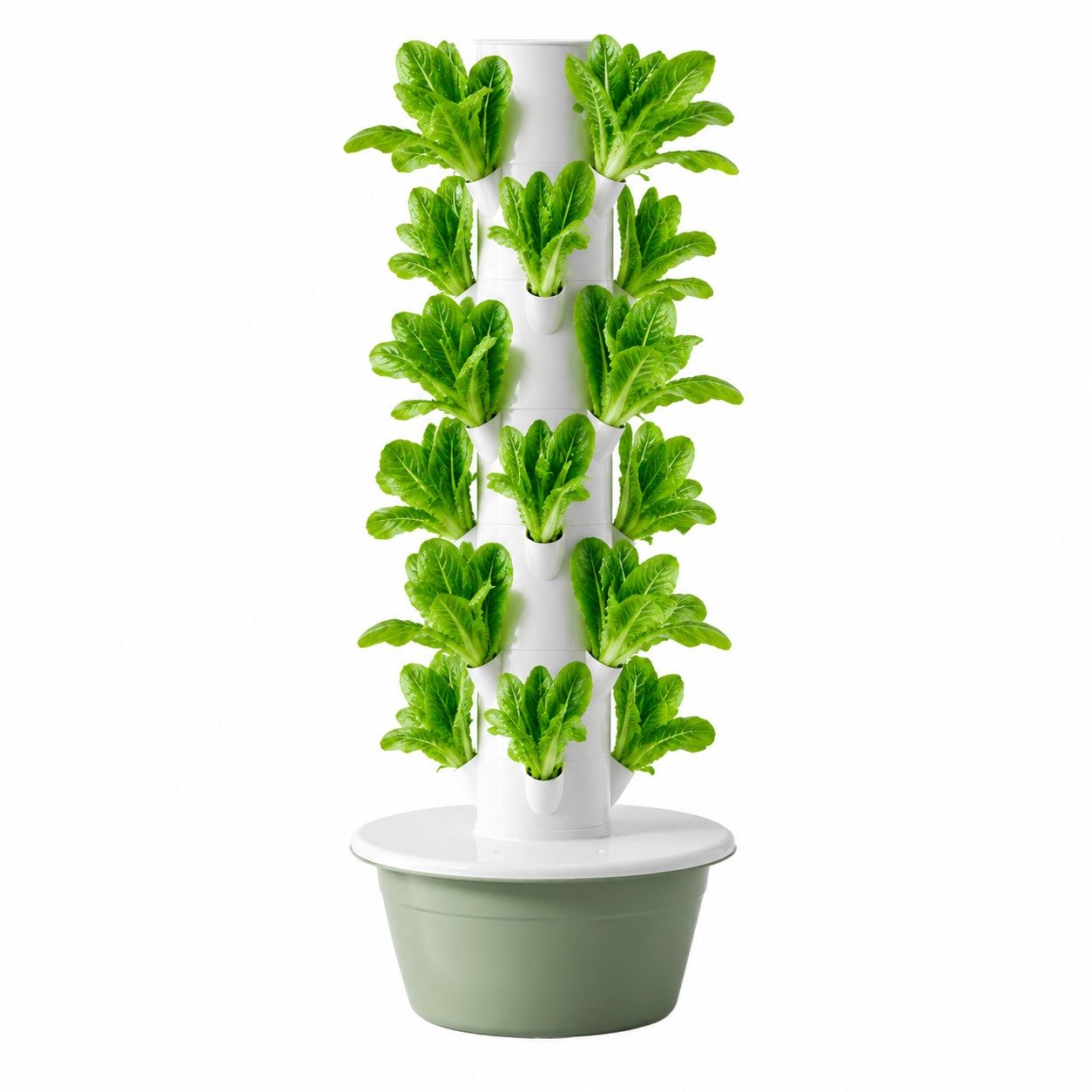
Ask any commercial grower what kills more hydroponic systems than pests or nutrient mistakes, and most will name the same silent culprit: algae. A thin green film in the reservoir or on the tower walls might look harmless on day one, but it clogs spray nozzles, competes with your crops for oxygen and nutrients, and turns a clean vertical farm into a maintenance nightmare. The good news? Algae is fully preventable, and when it does appear, it can be eliminated in a single cleaning cycle. This guide explains exactly what causes algae in hydroponic towers, how to stop it before it starts, and the step-by-step procedure commercial growers use to get rid of it for good.
Algae is not just an eyesore. In a closed-loop tower system, algae growth actively degrades the growing environment in four measurable ways:
Beyond the biology, algae carries a commercial cost: cleaning labor, clogged hardware, slower growth, and culled plants. On a farm with 50–100 towers, a preventable algae problem can cost hundreds of hours of labor per season.
Algae needs three things to bloom: light, nutrients, and water — and every hydroponic tower supplies all three. The question is never “if” algae can grow; it is whether your system blocks the conditions that let it take hold. These are the four root causes commercial growers see most often:
| Root Cause | How It Happens | Where It Shows Up |
|---|---|---|
| Light reaching the nutrient solution | Clear or translucent reservoirs, exposed tower joints, or open pump chambers let light hit the water. | Green film on reservoir walls, green water, slime on tower surfaces |
| Nutrient-rich stagnant water | Low-flow zones in the reservoir or long pump-off periods leave nutrient solution sitting still. | Slime around the pump, sediment in reservoir corners |
| Warm water temperatures | Reservoirs above 24°C (75°F), especially in greenhouses or near grow lights, accelerate algae reproduction. | Rapid re-blooming after cleaning in hot months |
| Contaminated inputs | Rockwool cubes, reused net pots, or new towers that were not rinsed can introduce algae spores. | Algae first appears at the base of planting pockets |
Notice that the first three causes are design and management issues, not bad luck. That is what makes algae so preventable — and why a factory-built system with an opaque, sealed reservoir is your first line of defense.
Prevention is dramatically cheaper than cleanup. These seven practices stop algae before it establishes, and they cost almost nothing to implement:
For a deeper look at the overall hygiene routine around these steps, see our Hydroponic Tower Maintenance 101 guide, and pair your algae prevention with the practices in our complete pest control guide.
If algae has already taken hold, do not panic — and do not just scrape the visible film. Surface cleaning without sanitizing the whole loop guarantees a re-bloom within days. Follow this full cleaning cycle:
| Sanitizer | Concentration | Contact Time | Notes |
|---|---|---|---|
| Food-grade hydrogen peroxide (H₂O₂) | 3% solution, undiluted for hard surfaces | 15–30 minutes | Breaks down to water and oxygen — safest option; gentle on equipment |
| Diluted bleach (sodium hypochlorite) | 1 part bleach to 9 parts water | 10–15 minutes | Very effective; must be flushed thoroughly; avoid on metal parts |
| Citric acid | 2–3 tablespoons per 4 L (1 gal) water | 20–30 minutes | Removes mineral scale and biofilm; food-safe and biodegradable |
If your crop is showing nutrient or pH problems alongside the algae, check our water quality and pH management guide before refilling — fixing the root cause of the imbalance is part of keeping algae away. And for a full reservoir-change schedule, see how often to change tower water.
On a commercial scale, prevention has to be systematic rather than reactive. Farms running dozens or hundreds of towers use a combination of design and scheduling to keep algae out of the equation entirely:
Algae management is not complicated, but it is unforgiving of shortcuts. Block the light, keep the water cool and moving, and clean between cycles — and your towers will grow crops, not slime.
Our factory-direct hydroponic towers are engineered with opaque, sealed reservoirs and precision spray systems that stay clean through season after season. Whether you are starting with 10 towers or scaling to 1,000, we will help you specify a system that keeps algae out of your workflow.
