Our Location
304 North Cardinal St.
Dorchester Center, MA 02124

304 North Cardinal St.
Dorchester Center, MA 02124

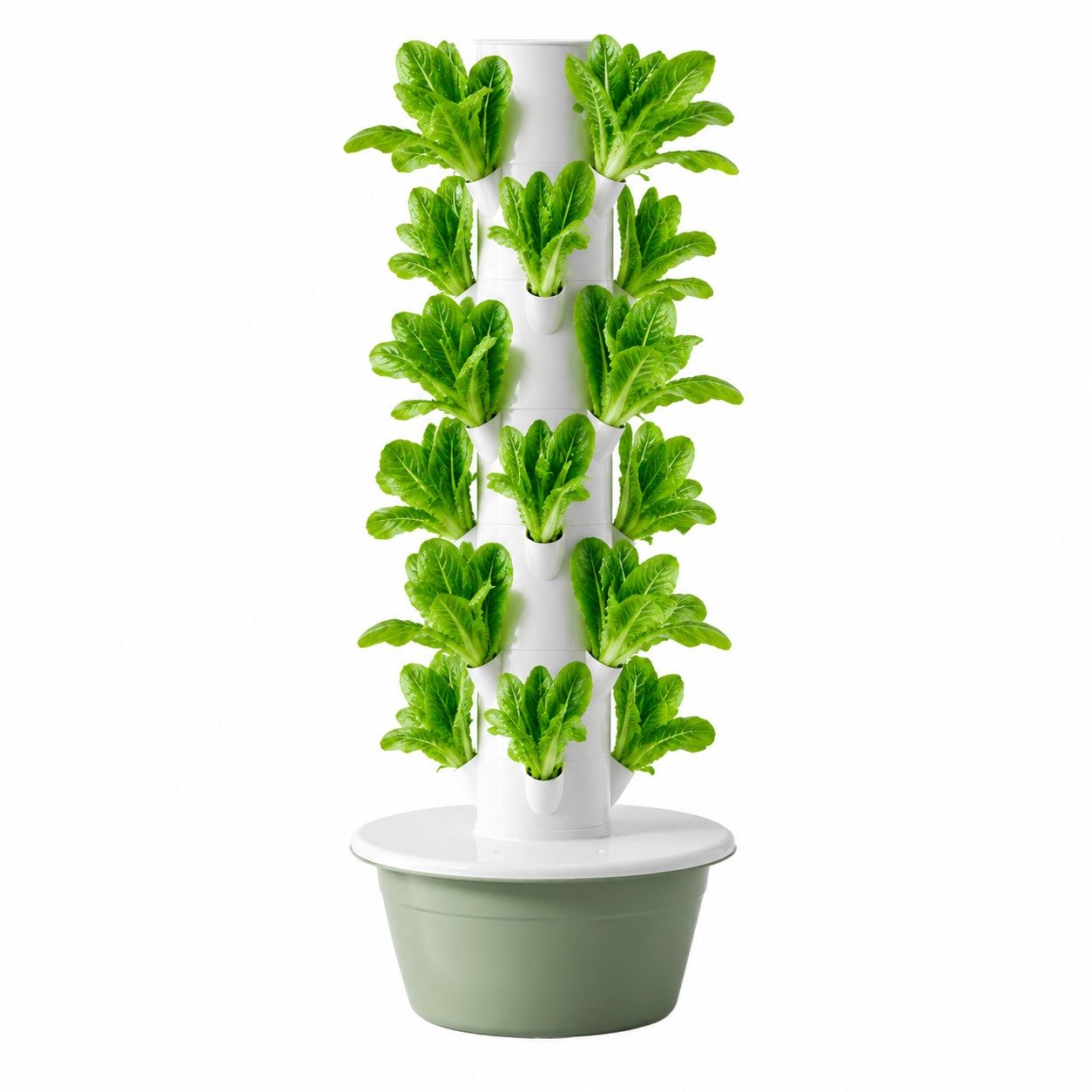
Water quality is the single most overlooked factor in commercial hydroponic tower operations. After supplying thousands of hydroponic towers to farms worldwide, we’ve seen one pattern repeat: most crop failures trace back to water chemistry issues, not equipment defects. This guide walks you through everything a commercial grower needs to know about managing water quality, pH, and EC in a hydroponic tower system — from setup to daily monitoring.
In soil farming, the growing medium acts as a buffer — it absorbs some impurities and releases nutrients gradually. In a hydroponic tower system, there’s no soil buffer. Your plants are directly exposed to whatever is in your water. Every mineral, contaminant, or pH swing affects root health immediately.
Poor water quality leads to: nutrient lockout (plants can’t absorb food), root rot pathogens, algae blooms in your reservoir, stunted growth, and inconsistent crop quality across harvests. The good news? Once you understand the basics, managing water quality is straightforward.
Before adding any nutrients, test your tap water, well water, or rainwater. You need three baseline readings:
Pro tip for commercial growers: If your source water TDS exceeds 400 ppm, consider investing in a reverse osmosis (RO) system. The upfront cost pays for itself in crop consistency, especially for high-value crops like cherry tomatoes and strawberries.
pH determines whether your plants can actually absorb the nutrients you’re feeding them. At different pH levels, different nutrients become unavailable:
| pH Range | What Happens | Common Cause | Fix |
|---|---|---|---|
| < 5.0 | Root damage, iron/aluminum toxicity, stunted growth | Overdosing pH-down, insufficient water changes | Flush with pH-neutral water, add pH-up slowly |
| 5.5–6.5 ✅ | Optimal — all nutrients available | Regular monitoring + proper dosing | Maintain current routine |
| 6.5–7.5 | Iron, manganese, boron deficiencies start | High alkalinity source water, pH-up overdose | Add pH-down gradually, check buffer capacity |
| > 7.5 | Severe iron deficiency (yellow new growth), phosphorus lockout | Very hard water, infrequent monitoring | Consider RO system, large pH correction needed |
Practical pH management routine for commercial towers:
EC (electrical conductivity) measures the total nutrient concentration in your water. Different crops have different needs. Here’s a quick reference for the most common hydroponic tower crops:
| Crop | Target EC (mS/cm) | Target PPM (500 scale) | pH Range |
|---|---|---|---|
| Lettuce (all varieties) | 0.8–1.2 | 400–600 | 5.5–6.0 |
| Kale / Leafy Greens | 1.2–1.8 | 600–900 | 5.5–6.5 |
| Cherry Tomatoes | 2.0–3.5 | 1000–1750 | 5.8–6.3 |
| Strawberries | 1.4–2.0 | 700–1000 | 5.8–6.2 |
| Herbs (mint, basil, oregano) | 1.0–1.6 | 500–800 | 5.5–6.0 |
| Peppers | 2.0–2.8 | 1000–1400 | 5.8–6.3 |
Important notes on EC management:
In a commercial hydroponic tower, the reservoir should be completely drained and refilled with fresh nutrient solution on a schedule. The frequency depends on your crop type and system size:
| System Size | Crop Type | Recommended Change Frequency |
|---|---|---|
| Small (30L / 8 gal) | Leafy greens | Every 7–10 days |
| Small (30L / 8 gal) | Fruiting crops (tomatoes, peppers) | Every 5–7 days |
| Medium (60L / 16 gal) | Leafy greens | Every 10–14 days |
| Medium (60L / 16 gal) | Fruiting crops | Every 7–10 days |
| Large (100L+ / 26+ gal) | Mixed crops | Every 14–21 days |
Signs it’s time for an early water change:
Use this troubleshooting table when you notice something’s off with your tower crops. Match the symptom to the likely cause — most issues are water quality related:
| Symptom | Likely Cause | Check First | Solution |
|---|---|---|---|
| Yellow lower leaves | Nitrogen deficiency OR overwatering | EC and pH levels | If EC low → increase nutrients. If pH off → correct to 5.5–6.5 |
| Yellow new growth (top) | Iron deficiency (pH too high) | pH of reservoir | Lower pH to 5.5–6.0. Iron is locked out above pH 6.5 |
| Brown, mushy roots | Root rot (Pythium) — oxygen deficiency | Water temperature, reservoir cleanliness | Drop water temp. Add hydrogen peroxide (3%, 2mL/L). Increase air stone if using one |
| White salt deposits on net cups | EC too high / salt buildup | Reservoir EC level | Dilute with pH-adjusted water. Consider full water change |
| Leaf tips curled/burned | Nutrient burn (EC too high) | EC reading | Drain and refill with lower EC solution (reduce by 30%) |
| Slow/stunted growth | Multiple possible: low EC, wrong pH, low light, cold water | All parameters | Check EC (underfed?), pH (lockout?), light, water temp (18–22°C ideal) |
| Purple stems or leaf undersides | Phosphorus deficiency OR cold stress | pH and water temperature | If pH > 6.5 → correct down. If water temp < 15°C → warm reservoir |
| Algae on tower surface or in reservoir | Light leaking into reservoir + excess nutrients | Reservoir light-proofing | Cover reservoir. Add beneficial bacteria. Do water change |
Two often-overlooked parameters that directly affect water quality:
Here’s a simple routine to keep your commercial hydroponic tower running at peak performance:
Consistent water quality management separates successful commercial hydroponic operations from the ones that struggle. The growers who log their readings daily and act on trends — not emergencies — are the ones who harvest reliably, crop after crop.
Whether you’re starting with a 50-tower greenhouse or scaling to 500+, Spacetree manufactures commercial-grade hydroponic towers engineered for consistent performance and easy maintenance. Our towers feature large-capacity reservoirs, efficient water distribution, and durable food-grade materials designed for daily commercial use.
Every tower ships directly from our factory — no middlemen, no markups. We help you optimize your water management setup with the right reservoir size and configuration for your specific crop plan.
