Our Location
304 North Cardinal St.
Dorchester Center, MA 02124

304 North Cardinal St.
Dorchester Center, MA 02124

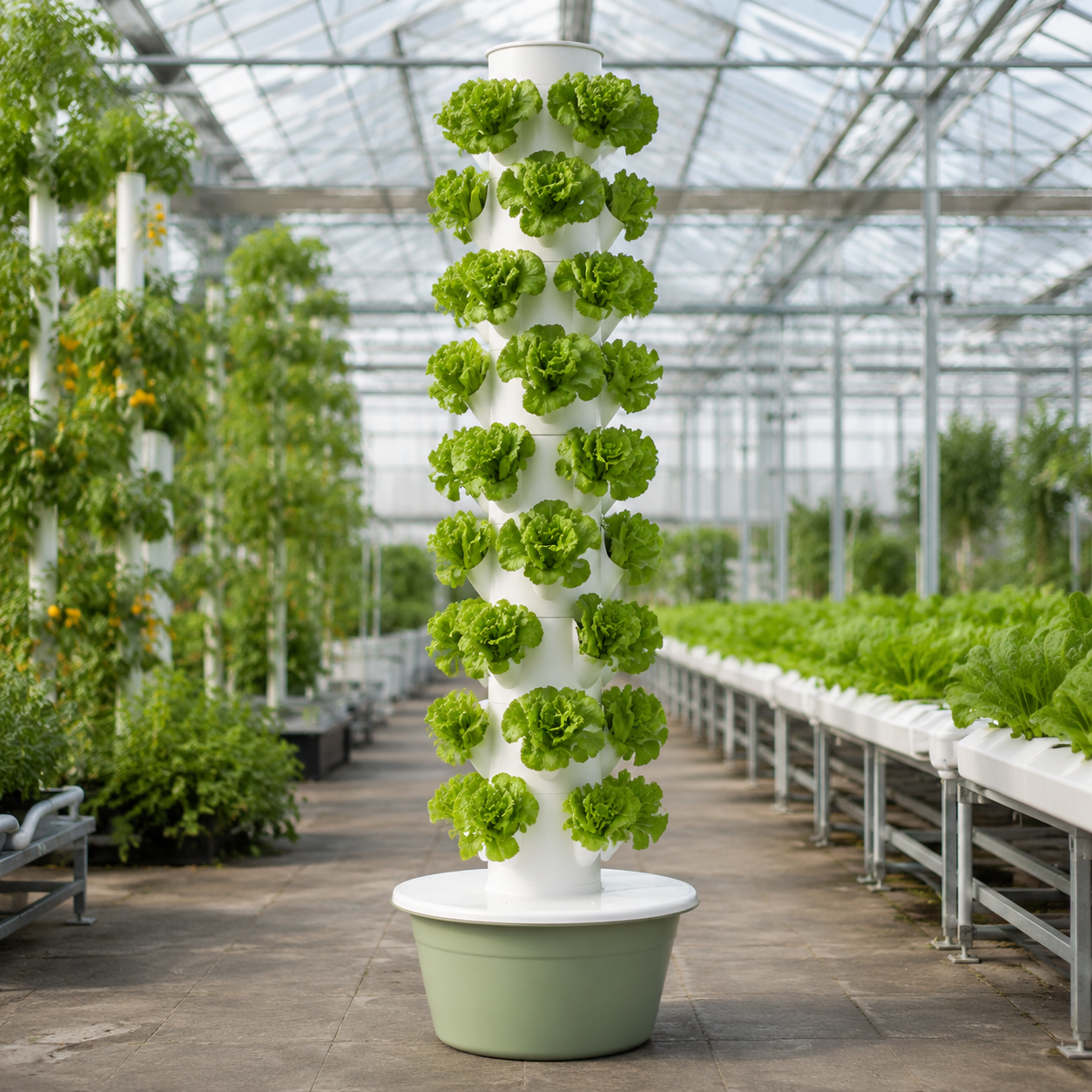
If you have placed an order for commercial hydroponic towers from a Chinese manufacturer, you are probably wondering: What happens next? How will the towers arrive? Do I need to clear customs? Will everything be assembled or in pieces?
This guide walks you through the entire journey — from the factory floor in China to your farm or greenhouse — so you know exactly what to expect and how to prepare.
Before the shipment leaves the factory, you need to understand which shipping terms apply to your order. These three are the most common for hydroponic tower imports:
| Term | What the Seller Covers | What You Cover | Best For |
|---|---|---|---|
| FOB (Free on Board) | Production + delivery to the port + export customs clearance | Ocean freight + insurance + destination port fees + import customs + inland delivery | Buyers with existing freight forwarder relationships |
| CIF (Cost, Insurance & Freight) | Production + delivery to port + export clearance + ocean freight + marine insurance | Destination port fees + import customs + inland delivery | Buyers who want door-to-port convenience |
| DDP (Delivered Duty Paid) | Everything — production, freight, customs clearance, duties, and final delivery to your door | Nothing beyond the purchase price | First-time importers who want a hassle-free experience |
If you are new to importing from China, DDP is the safest option. You pay one price, and the tower arrives at your door — customs and duties included. Most experienced buyers prefer FOB and arrange their own shipping through a freight forwarder for better rates.
Chinese hydroponic tower manufacturers ship thousands of units internationally every year. The packaging is designed for long-distance ocean freight and rough handling at ports.
A typical 20-foot container holds approximately 200–400 hydroponic towers (depending on height and model). A 40-foot high-cube container can hold 500–800 towers. The columns are shipped unassembled to maximize container space and reduce shipping costs.
When you open a box, here is exactly what you will find for a standard hydroponic tower system:
⚠️ Pro tip: Immediately upon opening, take photos of each component and cross-check against the packing list. This protects you if anything is missing or damaged during transit.
Hydroponic towers are typically classified under HS Code 3926.90 (other articles of plastics) or 8479.89 (machinery for agricultural use). The duty rate varies by country:
| Country | Typical Duty Rate | Notes |
|---|---|---|
| United States | 3.5% – 5.5% | Section 301 tariffs may apply; check current rate |
| European Union | 2.5% – 4.5% | VAT (20% avg) assessed separately at entry |
| United Kingdom | 2.5% – 3.5% | 20% VAT assessed at entry |
| Australia | 3% – 5% | GST (10%) assessed at entry |
| Canada | 4% – 6% | GST/HST assessed at entry |
Documents your freight forwarder or customs broker will need:
The day your container arrives is exciting. Here is how to prepare:
If you find any damage, document it immediately and contact the manufacturer within 48 hours. Reputable Chinese suppliers will work with you to resolve issues — but they need photo evidence and prompt communication.
One of the advantages of hydroponic towers is how quickly they assemble. Here is a realistic timeline:
| Task | Time Required (per tower) | Notes |
|---|---|---|
| Unbox and inspect | 5 minutes | Verify all components present |
| Assemble tower columns | 10 minutes | Snap-fit or screw connections |
| Install pump and tubing | 15 minutes | Connect pump, run drip lines |
| Fill with growing medium | 5 minutes | Pre-soak sponges first |
| Water test and adjust | 15 minutes | Check for leaks, adjust flow rate |
| Total per tower | ~50 minutes |
For a farm with 100 towers, a team of 4 people can expect to complete assembly and setup in 2–3 working days — less if you stage the work efficiently.
After assembly, here is your startup checklist:
Your plants should show visible growth within 5–7 days of transplanting into the tower system.
Q: How long does shipping from China take?
A: Sea freight to US West Coast ports takes 15–20 days, to East Coast 25–35 days. Air freight is available for samples (3–7 days) but is cost-prohibitive for full container orders.
Q: Will the PVC survive ocean transit temperatures?
A: Yes — PVC pipes used in hydroponic towers are engineered for -10°C to 50°C temperature ranges. Ocean containers rarely exceed safe limits.
Q: Can I get a sample before ordering a container?
A: Most manufacturers offer sample orders — usually 1–5 towers shipped by air freight. Expect to pay $80–$250 for shipping depending on your location.
Q: What if parts are missing from my shipment?
A: Reputable manufacturers include spare parts (10% extra net pots, extra fittings, and spare pump seals). Report missing items within 48 hours with photos, and the supplier will ship replacements.
Importing hydroponic towers from China is a straightforward process when you work with an experienced manufacturer. The key is preparation — understanding your shipping terms, having clear documentation ready for customs, and being organized on delivery day.
At SpaceTree, we handle shipments to over 30 countries worldwide. Our team provides complete documentation packages, works with your freight forwarder, and offers DDP shipping for first-time importers who want a worry-free experience.
