Our Location
304 North Cardinal St.
Dorchester Center, MA 02124

304 North Cardinal St.
Dorchester Center, MA 02124

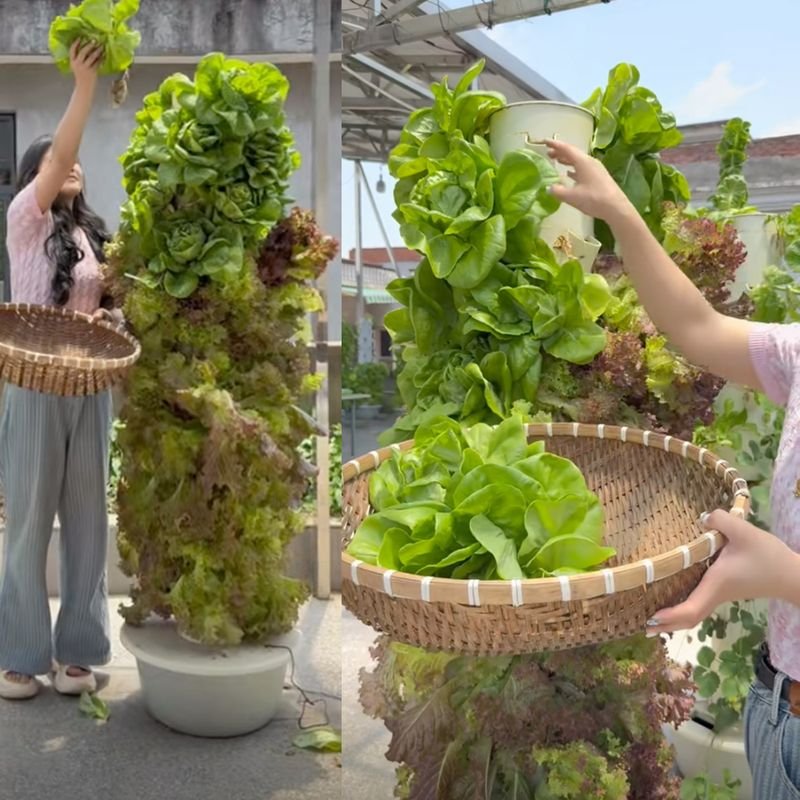
You have built your tower farm. The lettuce is thriving, the basil smells incredible, and you are harvesting more leafy greens every week than your family could ever eat. Then comes the question every commercial grower eventually faces: how do I actually sell this?
Growing great produce is only half the business. The other half is distribution, pricing, and marketing — getting your harvest into the right hands at the right price, week after week. This guide covers the sales channels that work for vertical farms, how to price hydroponic produce for real profit, and the marketing moves that turn a tower farm into a revenue machine.
Before you think about channels and pricing, understand what you are actually selling. Hydroponic produce grown in towers has four built-in advantages that buyers will pay more for:
None of these advantages sell themselves. You have to tell the story at every touchpoint — at the market stall, on the menu description, on the label. The good news: once buyers hear it, they rarely go back to commodity greens.
There is no single “right” channel — the best mix depends on your volume, your location, and how much time you can spend selling instead of growing. Most profitable tower farms run two or three channels at once. Here are the options, from highest margin to highest volume.
Farmers markets give you the best retail price and direct feedback from customers. A bundle of living lettuce or a bag of mixed greens sells for a premium when the buyer sees it cut fresh in front of them. The trade-off: market days consume a full day of labor, and volume is capped by how much you can carry.
With a CSA, customers pay upfront for a weekly or biweekly box. This is the closest thing hydroponic growers have to recurring revenue — you get paid before the season starts, cash flow becomes predictable, and you know exactly how much to plant. A small CSA of 30–50 members can absorb the entire output of a 10–20 tower setup.
Chefs are your best wholesale customers. They want consistent quality, reliable weekly supply, and a local story they can put on the menu. Walk into independent restaurants with a sample box and a simple price list — many will switch suppliers on the spot if you can guarantee year-round delivery. Restaurants typically pay 50–60% of retail price, but they buy every single week.

Retailers pay on 30-day terms, demand consistent volume, and require packaging, labels, and often food-safety documentation. The upside is scale — one store can take everything you grow. Start with independent grocers and natural food stores rather than national chains; they are faster to onboard and more flexible on terms.
Distributors move the most volume at the lowest price per unit, and they are the natural outlet once your farm outgrows local channels. The key is never to lead with wholesale — build your direct and restaurant business first, then use wholesale to absorb surplus production.
| Channel | Margin | Volume | Time Required | Best For |
|---|---|---|---|---|
| Farmers market | Highest (retail) | Low–medium | High (market days) | New farms building a brand |
| CSA subscription | High | Medium | Medium | Steady weekly production |
| Restaurants | Medium (50–60% retail) | Medium–high | Low after onboarding | Year-round consistent supply |
| Grocery / specialty retail | Medium | High | Medium (packaging, terms) | Scaling past market capacity |
| Wholesale / distributor | Lowest | Highest | Low | Absorbing surplus at scale |
Pricing starts with knowing your cost per plant, then working up to the market. The simple formula: calculate what it costs to grow one harvestable plant — seeds, nutrients, water, electricity, growing media, and your labor — then price at 3–4x that cost for retail, and 50–60% of retail for wholesale. If you cannot hit those margins, your production cost is too high or your channel is wrong.
Here is a realistic pricing benchmark for common tower crops in the US market:
| Crop | Typical Retail (per unit) | Wholesale (per unit) |
|---|---|---|
| Living lettuce / head lettuce | $3.50 – $5.00 | $1.80 – $2.50 |
| Mixed salad greens (bag) | $4.00 – $6.00 | $2.00 – $3.00 |
| Fresh herbs (bunch) | $2.50 – $4.00 | $1.20 – $2.00 |
| Strawberries (pint) | $5.00 – $7.00 | $2.50 – $3.50 |
| Cherry tomatoes (pint) | $4.00 – $6.00 | $2.00 – $3.00 |
| Kale / cooking greens (bunch) | $3.00 – $4.50 | $1.50 – $2.25 |
Do not undersell the freshness story. Supermarket lettuce is often 5–10 days from harvest. Yours is hours old — that difference justifies a premium, and customers who taste the difference will pay it without complaint.
Your marketing budget is zero? Fine — the best produce marketing is free and visual. Three habits move more produce than any ad campaign:
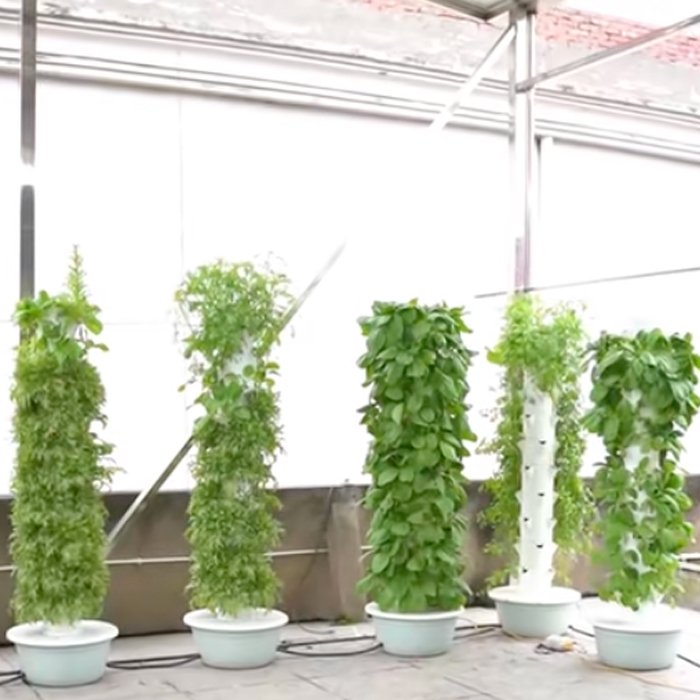
The most common mistake new growers make is scaling production before locking in buyers. A tower farm’s strength is that it scales incrementally — you can add towers as demand grows instead of betting everything on one harvest.
Start with one or two channels, prove you can deliver consistently, then expand. When you know your weekly output per tower and your channel pricing, you can calculate exactly how many towers you need to hit a revenue target — and how fast a new tower pays for itself.
That calculation is also where your equipment supplier should earn their keep. A supplier who understands commercial production economics — not just hardware — helps you size your farm to your sales plan, so you never overbuild or underdeliver.
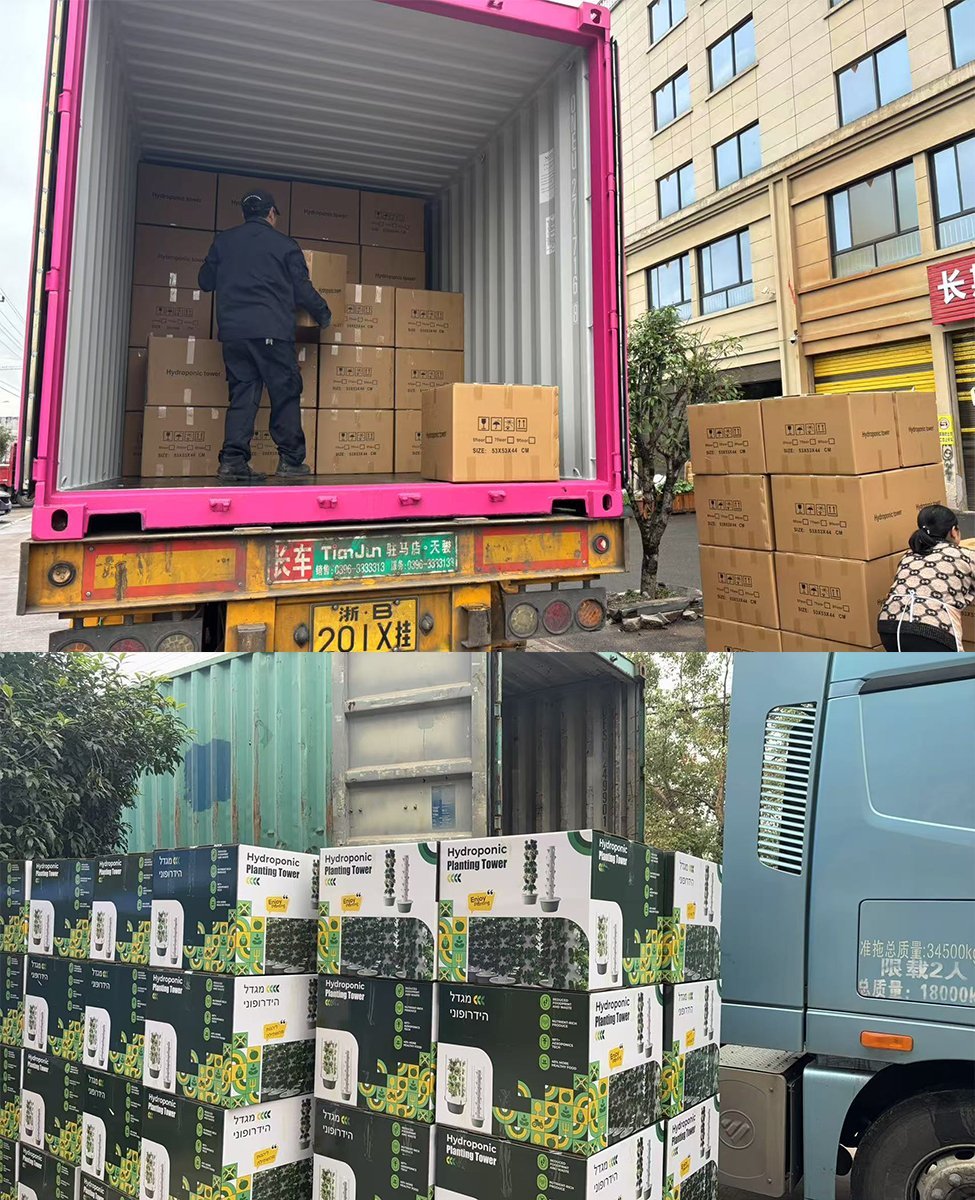
Whether you are selling your first market table or planning a multi-tower commercial operation, the formula is the same: grow something better than the supermarket, price it with confidence, and tell the freshness story at every opportunity.
