Our Location
304 North Cardinal St.
Dorchester Center, MA 02124

304 North Cardinal St.
Dorchester Center, MA 02124

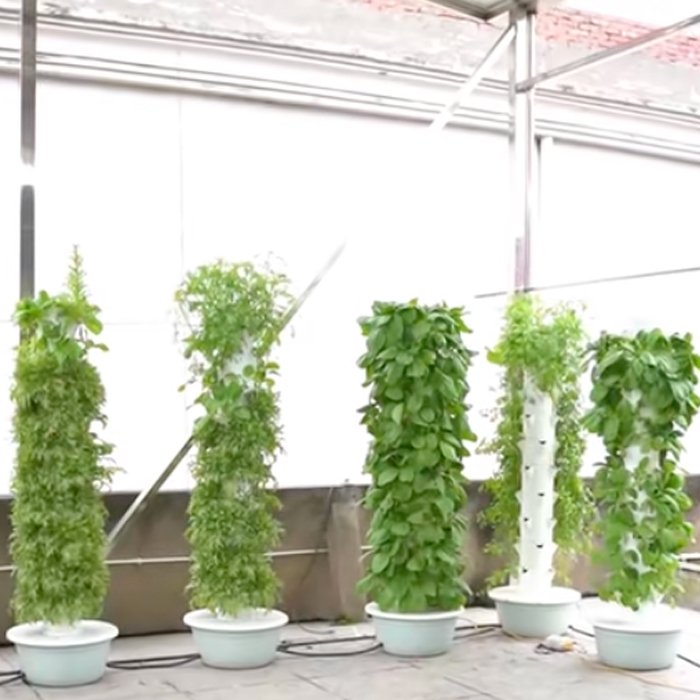
Hydroponic towers are one of the fastest-growing segments in commercial agriculture, and for good reason: they pack more plants into less floor space than almost any other system, use a fraction of the water, and produce predictable, repeatable harvests. But starting a commercial hydroponic farm is a business decision first and a growing decision second. This guide walks through the full startup path — choosing a farm model, writing a bank-ready business plan, budgeting real startup costs, clearing licensing and compliance, sourcing your systems from a reliable manufacturer, and mapping out a realistic first-year profitability timeline.
Too many new farms fail because they start too big. The most successful commercial tower farms we work with start small, prove the numbers on a pilot scale, and then expand in deliberate phases. Your farm model determines nearly everything downstream: capital needed, labor hours, licensing requirements, and which customers you can serve.
| Farm Model | Typical Scale | Startup Investment | Best For |
|---|---|---|---|
| Micro-farm / proof of concept | 5–20 towers | $3,000–$12,000 | Testing demand, local restaurants, farmers markets |
| Small commercial operation | 30–100 towers | $25,000–$80,000 | Grocery wholesale, CSA, steady restaurant contracts |
| Full commercial greenhouse | 200+ towers | $150,000+ | Distributors, supermarkets, institutional buyers |
If you have never run a hydroponic system commercially, start with 10–30 towers. You will learn more about your market, your labor, and your crop mix in the first six months at this scale than you would in two years of planning on paper. See our 100-tower setup guide for a proven layout once you are ready to scale.
Your business plan is the document that convinces banks, investors, landlords, and grant committees to take you seriously. It does not need to be 40 pages — it needs to be honest and complete. A commercial hydroponic farm business plan should cover these six elements:
Most vertical farm startup cost estimates focus on the towers themselves, but the real budget has more layers. A 50-tower operation typically costs far more than 50 times a single consumer tower once infrastructure, labor, and consumables are included. Here is the line-item reality:
| Cost Category | What It Covers | Typical Share of Budget |
|---|---|---|
| Growing systems | Towers, pumps, reservoirs, spare parts | 35–50% |
| Facility & utilities setup | Shelving, plumbing, lighting, ventilation, water filtration | 15–25% |
| Consumables (first 6 months) | Nutrients, seeds, growing media, pH adjusters | 5–10% |
| Labor & training | Staff wages, hiring, grower training | 15–25% |
| Packaging & cold chain | Clamshells, labels, cooler, delivery vehicle share | 5–10% |
| Licensing, insurance & buffer | Permits, liability insurance, 3-month cash reserve | 5–10% |
For a detailed per-item breakdown of tower pricing, installation, and ROI timelines, read our hydroponic tower cost breakdown guide.
Hydroponic farm licensing varies by country, state, and even municipality, so always confirm with your local agricultural extension office and business development agency. That said, these are the permits most commercial farms will encounter:
Budget both the application fees and the time — permits routinely take 2–6 months in many regions, so start the process the same week you sign your lease.
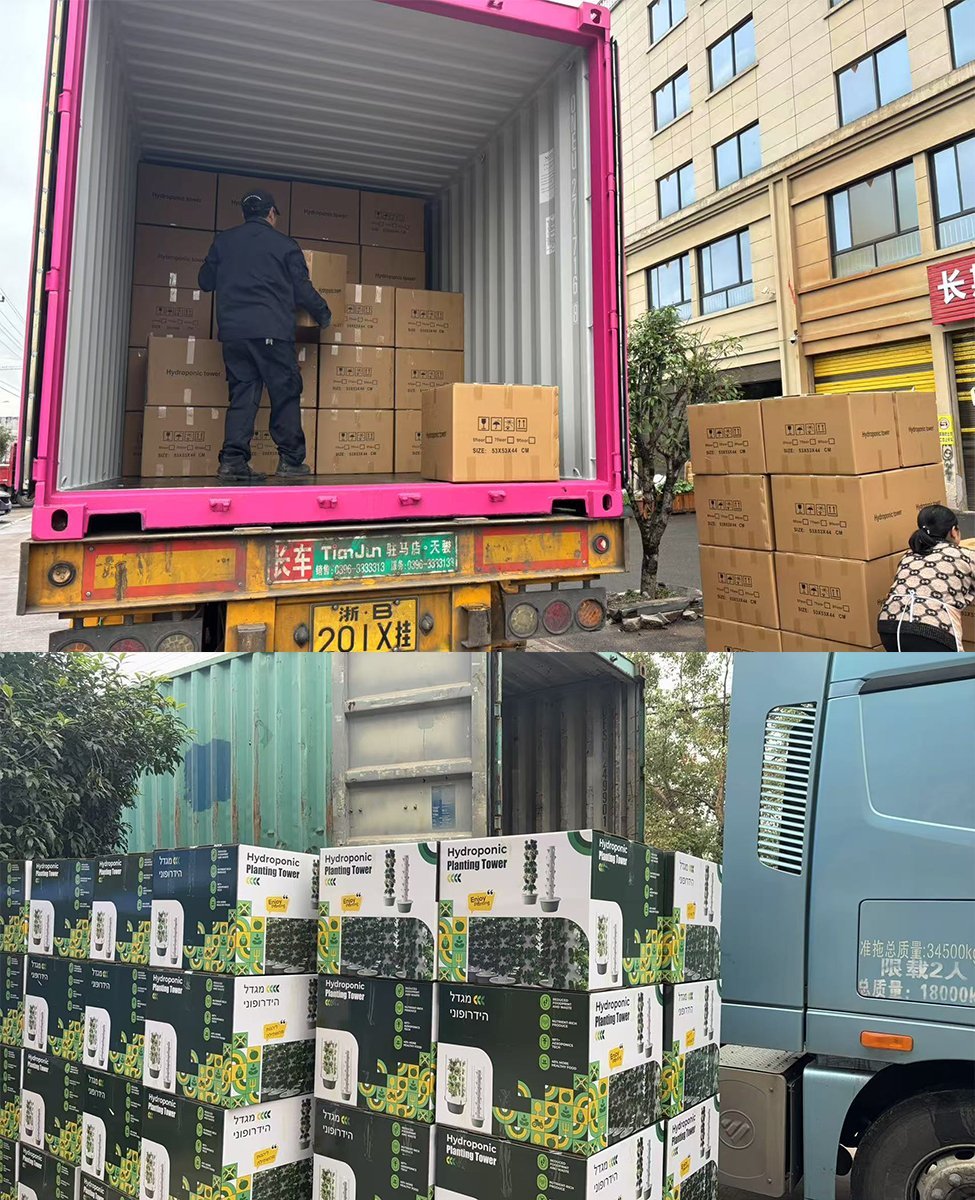
Where you buy your towers is one of the most important decisions you will make. A farm lives or dies on system reliability: a pump that fails mid-season, a reservoir that leaks, or a tower that cannot handle the weight of a mature crop will cost you far more in lost harvests than any price difference on the invoice. This is why procurement should follow a disciplined path: request samples, run a pilot batch, verify the manufacturer’s factory and quality control, and only then commit to container-scale orders.
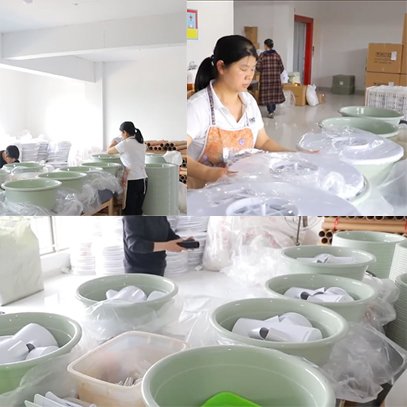
When evaluating a hydroponic tower manufacturer, ask about load-bearing capacity per tier, pump flow rate and replacement cost, UV stability of the plastic, and what spare parts are included. Factory-direct sourcing from China cuts capital costs dramatically, but only when the factory is verified — see our shipping and delivery guide for what happens between the factory floor and your farm gate.
Be honest with yourself about the ramp. Very few tower farms are profitable in month three. The ones that succeed treat the first year as three distinct phases — proving the grow, proving the market, and then scaling revenue. Hydroponic farm profitability is a function of consistent execution, not heroic harvests.
| Phase | Months | Focus | Financial Goal |
|---|---|---|---|
| Grow validation | 1–3 | Dial in crop cycles, yields, nutrient management | Cover consumables only |
| Market validation | 3–6 | Lock recurring customers, refine pricing | Cover operating costs |
| Revenue scaling | 6–12 | Expand tower count, add crop lines, optimize labor | Positive cash flow |
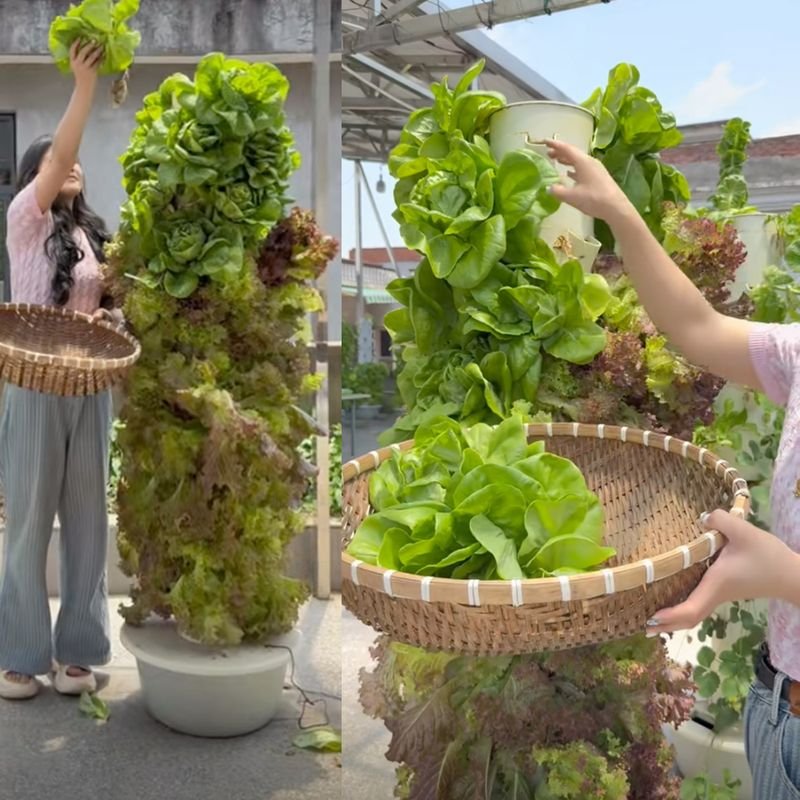
Once you have consistent supply, the revenue side matters as much as the growing side. Our guide to selling hydroponic produce covers pricing, distribution channels, and marketing tactics that move volume.
Starting a commercial hydroponic farm is one of the most capital-efficient ways to enter local food production — but it rewards methodical operators. Choose a scale you can run well, write the plan, budget honestly, verify your supplier, and let the first year teach you what no spreadsheet can. If you are comparing systems or need factory-direct pricing for your farm size, our team answers technical and wholesale questions every day.
