Our Location
304 North Cardinal St.
Dorchester Center, MA 02124

304 North Cardinal St.
Dorchester Center, MA 02124

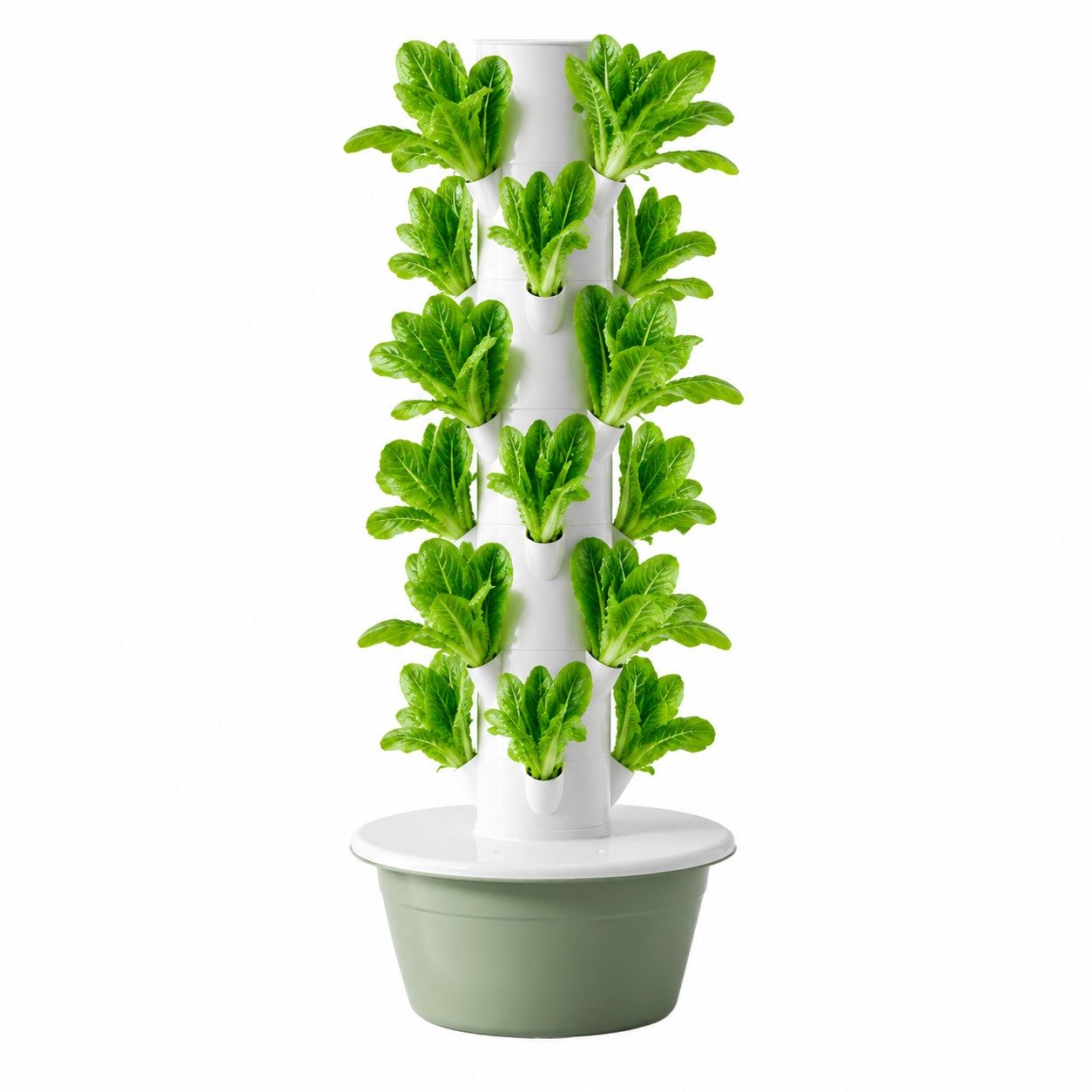
If you are planning a commercial hydroponic tower farm, the first number you need is not yield per square foot — it is days to harvest. Every crop cycle, every planting schedule, and every sales commitment depends on knowing exactly how long each crop takes to go from seedling to sellable produce. The short answer: lettuce takes 21–35 days from transplant to harvest in a hydroponic tower, and most leafy greens follow a similar 3–6 week rhythm. Fruiting crops like strawberries and tomatoes take longer — but they keep producing for months. This guide gives you a complete, crop-by-crop growth timeline you can use to build a year-round production calendar.
Hydroponic lettuce is the fastest commercial crop on a tower — and the most profitable per square foot. Here are the realistic numbers, measured from the moment you place a seedling in a tower port:
Compared with field soil growing (60–90 days for romaine), a hydroponic tower cuts lettuce time roughly in half — and because towers hold 40+ plants in one square meter of floor space, the production per square foot multiplies dramatically. For a deeper look at the economics, see our real yield data per square foot and our greenhouse lettuce case study.
Use this table as your production-planning reference. The ranges reflect typical tower conditions (18–26°C water temperature, stable nutrient solution, adequate light). Your exact timing will shift with variety, season, and light intensity.
| Crop | Nursery (seed to transplant) | Transplant to first harvest | Total from seed | Harvest style |
|---|---|---|---|---|
| Lettuce (leaf / romaine) | 21–28 days | 21–35 days | 6–9 weeks | Whole head or cut-and-come-again |
| Arugula | 14–21 days | 21–28 days | 5–7 weeks | Cut-and-come-again |
| Spinach | 21–28 days | 28–40 days | 7–10 weeks | Whole plant or cut leaves |
| Bok choy (baby) | 21–28 days | 25–35 days | 6–9 weeks | Whole plant |
| Kale | 28–35 days | 35–45 days | 9–11 weeks | Cut-and-come-again |
| Swiss chard | 28–35 days | 35–45 days | 9–11 weeks | Cut-and-come-again |
| Basil | 21–28 days | 28–35 days | 7–9 weeks | Prune stems, regrows |
| Mint (from cuttings) | 10–14 days | 14–21 days | 4–5 weeks | Prune stems, regrows |
| Strawberries (from plugs) | 30–45 days | 60–90 days to first fruit | 3–4.5 months | Continuous fruiting 6+ months |
| Cherry tomatoes (from seed) | 35–45 days | 60–90 days to first fruit | 3.5–4.5 months | Continuous fruiting 4+ months |
Want to know which crops earn the most per tower port? Our guide to the 13 best crops for hydroponic towers ranks all of these by yield and market value.
Lettuce, arugula, baby bok choy, and spinach are your cash-flow crops. They turn over a tower port every month, which is why most commercial growers dedicate 60–70% of ports to this group. If you stagger planting by one row of ports per week, you get a continuous weekly harvest instead of one big harvest every five weeks. See our step-by-step planting guide for the exact nursery-to-tower workflow.
Kale and Swiss chard grow a bit slower, but they reward you with months of repeated harvests. One kale plant can be picked 5–8 times before it declines — treat it as a long-term asset rather than a quick turnover crop.
Basil is ready for its first prune 4–5 weeks after transplant, and mint (started from cuttings) can be harvested in as little as 2–3 weeks. Both regrow after every cut, so a single port produces for 3–6 months. Fresh herbs command premium wholesale prices, making them a favorite of tower farmers selling to restaurants.
Strawberries and cherry tomatoes take the longest to start, but they are the highest-value crops on the tower. A strawberry plug starts fruiting 60–90 days after transplant and keeps producing for 6+ months; cherry tomatoes fruit for 4+ months. Plant them once, harvest for a season — and use your fast greens on the remaining ports to keep cash flowing while you wait. See how one of our clients runs 100 towers of strawberries.

Your actual days-to-harvest will swing by 20–40% depending on four factors you control:
Here is where the timeline becomes a business plan. A 40-port tower with a 4-week leafy green cycle gives you roughly 12 turns per port per year — but real farms rarely hit that because of nursery time and cleanup days. With realistic 5-week cycles, plan for 9–10 harvests per port per year. Multiply that by your port count and average marketable weight, and you can forecast annual output before you buy a single tower. Our yield per square foot article walks through that math with real numbers.
Two planning rules we recommend to every commercial buyer:
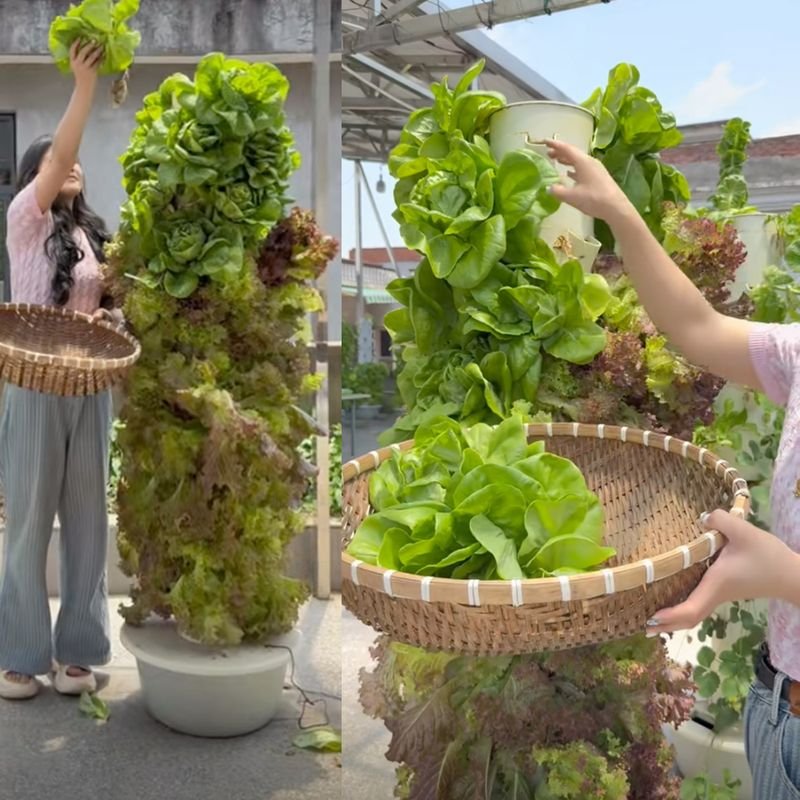
Yes — typically 40–50% faster. Field romaine takes 60–90 days from seed; a tower does the same crop in 35–60 days from seed, with a fraction of the water. Our full tower vs. soil comparison breaks down the other differences.
With leafy greens on a 5-week cycle, expect 9–10 harvests per port per year. Mix in herbs and you can keep every port occupied 12 months a year — which is exactly how tower farms reach payback in 12–24 months.
For whole heads, harvest when the head feels firm and reaches 200–300 g (romaine types). For cut-and-come-again, start taking outer leaves once they reach 10–15 cm — usually 3–4 weeks after transplant — and always leave the growing point intact.
The days-to-harvest numbers in this guide come from real commercial tower operations, not lab conditions. Whether you are starting with 10 towers or 500, we help buyers match tower models, port counts, and lighting to their target crop mix and harvest schedule — factory-direct, with OEM support for custom configurations. Tell us your crop plan and we will send you a production timeline matched to your tower setup.
