Our Location
304 North Cardinal St.
Dorchester Center, MA 02124

304 North Cardinal St.
Dorchester Center, MA 02124

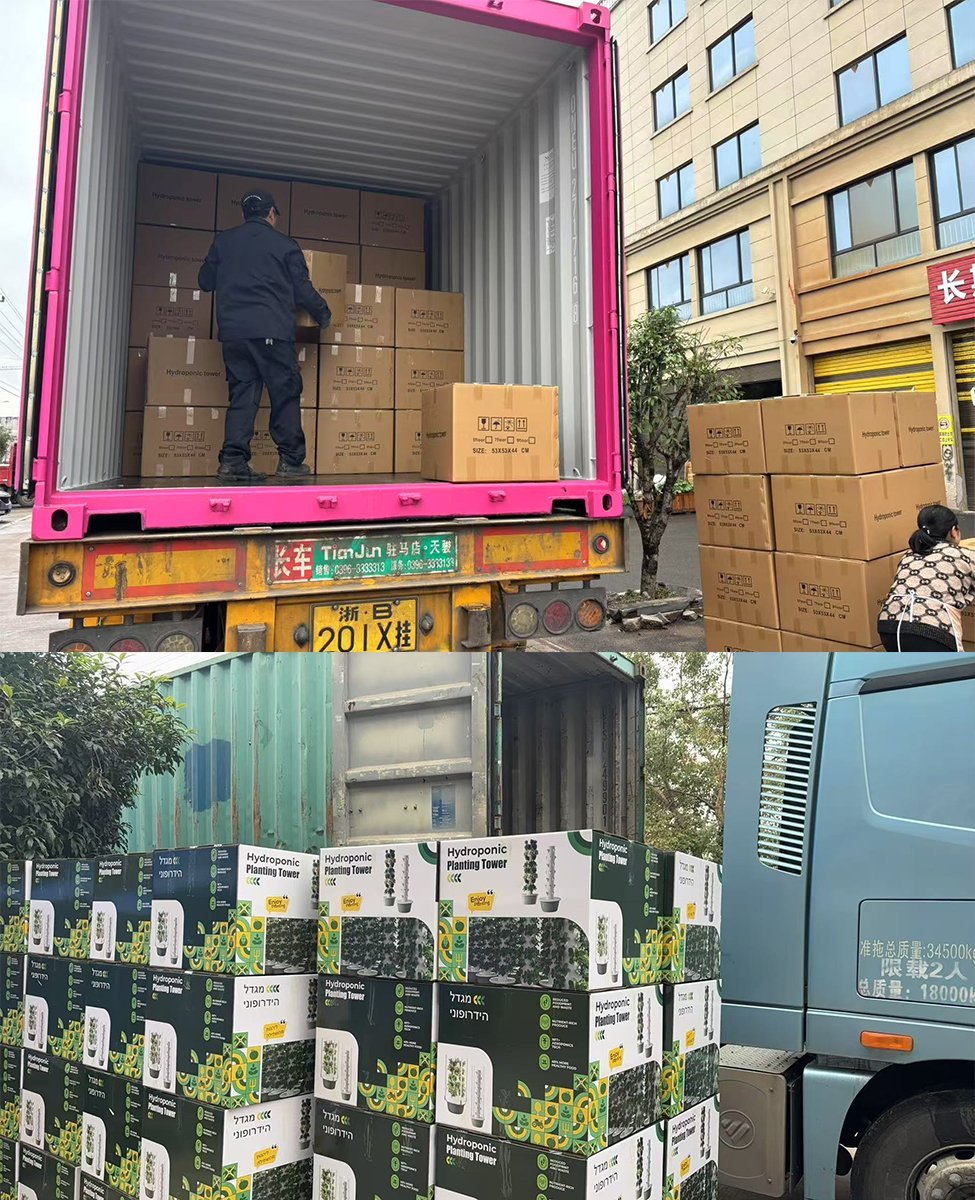
Most people who contact a factory about hydroponic towers are not farmers. They are nursery owners, irrigation contractors, greenhouse builders, landscape companies, garden center buyers, and food service equipment dealers who have watched a growing number of commercial customers ask for vertical growing systems and have nowhere to buy them at a professional price. They do not want to run a farm. They want the margin that comes from being the person who supplies the equipment, installs it, and keeps it running. That business exists, and it is one of the most stable niches in horticultural equipment because once a tower is on a customer’s floor, the parts, upgrades, and second orders keep coming for a decade.
What follows is written for the channel partner, not the grower: how a tower dealer program is usually structured, how the cost stack works from ex-works to shelf price and what gross margin is realistic at each step, what to demand and what not to expect on territory protection, what to keep in stock versus what to drop-ship, how after-sales support is supposed to work, how to use demo units and trade shows to generate leads, and the five mistakes that sink new dealers in their first year. If you are still deciding whether to sell towers at all, the margin table in section three is the fastest way to make that call.
Vertical growing hardware is a young category. The manufacturers are mostly overseas factories. The buyers are increasingly professional – greenhouse operations converting a bay, restaurant groups growing their own garnishes, schools, municipalities, and small farms chasing year-round contracts – and they expect to buy the way they buy every other piece of horticultural equipment: from a local dealer with an install crew, a parts shelf, and a phone number that gets answered. That expectation is the gap. Most tower sellers today are either the factory itself, shipping direct in full container loads, or online marketplaces selling a single home unit with no support at all.
The channel roles that are currently underserved, roughly in order of how easy they are to enter, are: garden centers and nursery retailers adding a commercial-tier product line; irrigation and hydroponics dealers who already stock pumps, nutrients, and media; greenhouse and controlled-environment contractors who can bundle towers into a build; food service and refrigeration equipment dealers who already sell to restaurants; farm supply co-ops and agricultural distributors with existing grower accounts; and landscape contractors installing towers in courtyards, patios, and rooftop terraces. If you sit in any of those categories, you have something a factory cannot manufacture: a customer list and the ability to service what you sell.
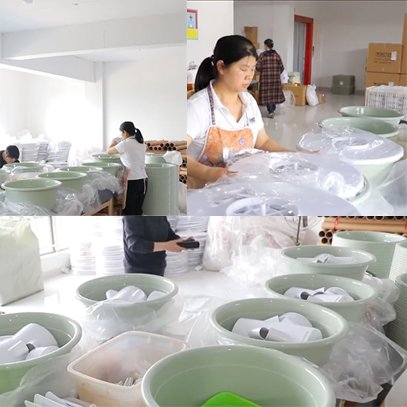
Programs differ by factory, but the structure is usually three tiers, and the differences between them are about commitment and territory rather than product. Ask for the program in writing before you discuss price, because the tier you qualify for determines everything that follows.
| Demo / Reseller | Regional Distributor | National or Private-Label Partner | |
|---|---|---|---|
| Minimum annual volume | 2-5 units / year | 1 x 20 ft container or more | Multiple containers, forecasted |
| Pricing tier | List less 15-25% | List less 30-40% | Negotiated, contract term 12-24 months |
| Territory | None (shared) | Named region, 12-month review | Exclusive region or national |
| Demo unit | 1 unit at cost plus freight | 1-2 units at cost | Program of demo units |
| Spare parts kit | Starter kit | Bundled with each container | Stocking agreement with priority allocation |
| Technical training | Documentation + video | Online sessions + annual on-site | On-site commissioning support |
| Marketing support | Photos, spec sheets, listing text | Co-branded assets, lead sharing | Full catalog, co-op marketing, joint trade shows |
| Warranty handling | Parts shipped, dealer installs | Parts credit pool | Advance replacement, quarterly reconciliation |
Two notes on this table. First, the minimum volume in the middle column is a container, not a truckload, because ocean freight is where the landed cost advantage of factory-direct buying is created – a partial container shipped as LCL can carry freight costs two to three times higher per unit than a full container. Second, the spare parts line is not a formality. It is the difference between a customer who recommends you and a customer who posts about a dead pump in week three. Details in our five-year cost of ownership breakdown.
New dealers usually price off the factory quote and are surprised when the business does not work. The factory quote is ex-works, and the gap between that number and what a customer will pay has to absorb everything below. Use indexed values – set the ex-works unit price at 100 – and fill in your own freight and duty numbers as they come in.
| Cost stack item | Index (ex-works = 100) | Notes |
|---|---|---|
| Ex-works unit price | 100 | Depends on layer count, hole density, and reservoir spec |
| Ocean freight (full container) | 6-12 | Two to three times higher if shipped as LCL |
| Duty and import processing | 0-8 | Region dependent; confirm tariff classification before quoting |
| Port, clearance, inland freight | 4-9 | Volume and distance dependent |
| Warranty and spares reserve | 3-6 | Reserve for pumps, nozzles, seals in year one |
| Assembly, testing, crating | 2-5 | If the unit ships knocked down |
| Landed cost at your warehouse | 115-140 | This is your true cost of goods |
Realistic gross margins on the landed cost, by sales motion: 25-40% on wholesale to other dealers or distributors, 35-50% on direct sales to a grower without installation, 45-60% when installation, commissioning, and a training session are bundled, and 55-70% on financing or lease packages where you are selling a monthly payment rather than a box. The pattern is consistent across the horticulture equipment industry: margin follows service. A dealer who unloads a crate and hands over an invoice earns the smallest spread on the transaction; a dealer who sets the room up, runs the first planting, trains the staff, and returns in month two to check EC and pH earns the largest and rarely gets shopped on price. If you want to understand what a customer’s own payback looks like on the other side of the invoice, see pricing, installation, and ROI timeline.
One more lever matters more than the product margin: attachment sales. Every tower a customer buys pulls a recurring basket of nutrients, media, net pots, pH and EC meters, spare nozzles, and pumps. A dealer who captures that basket at the point of sale turns a one-time 40% margin into a two-year revenue stream, which is normally what makes the dealership worth running at all.
Exclusivity is the most negotiated and least standardized part of a dealer agreement. Factories are generally willing to protect a dealer who is producing volume and unwilling to hand over a region for a promise. Treat the first agreement as a probationary territory with a review date, and negotiate the review criteria up front.
| Term | What dealers ask for | What a factory will reasonably grant | Red flag |
|---|---|---|---|
| Exclusive region | Full state or country exclusive | Named metro area or region, reviewed at 12 months | “Exclusive” with no volume floor |
| Performance clause | No minimum in year one | Minimum units per quarter after a ramp quarter | Minimum that doubles every quarter |
| House accounts | No factory direct sales in region | Existing accounts honored; new direct sales shared | Factory keeps all major chains |
| Price protection | Locked pricing for 12 months | Locked for 6-12 months, freight adjustment clause | Price changes without notice period |
| Renewal rights | Automatic renewal | Right of first refusal if targets are met | Renewal at factory’s discretion only |
| Marketing spend | Factory funds local ads | Co-op assets, sample unit, trade show support | Nothing in writing |
Practical advice: get the territory defined by a list of named cities, counties, or postal codes rather than a vague region, and get the performance clause written with units, not revenue, so currency swings do not decide whether you keep the territory. Dealers who lose territories almost always lose them on an ambiguous clause they did not read closely in month one.
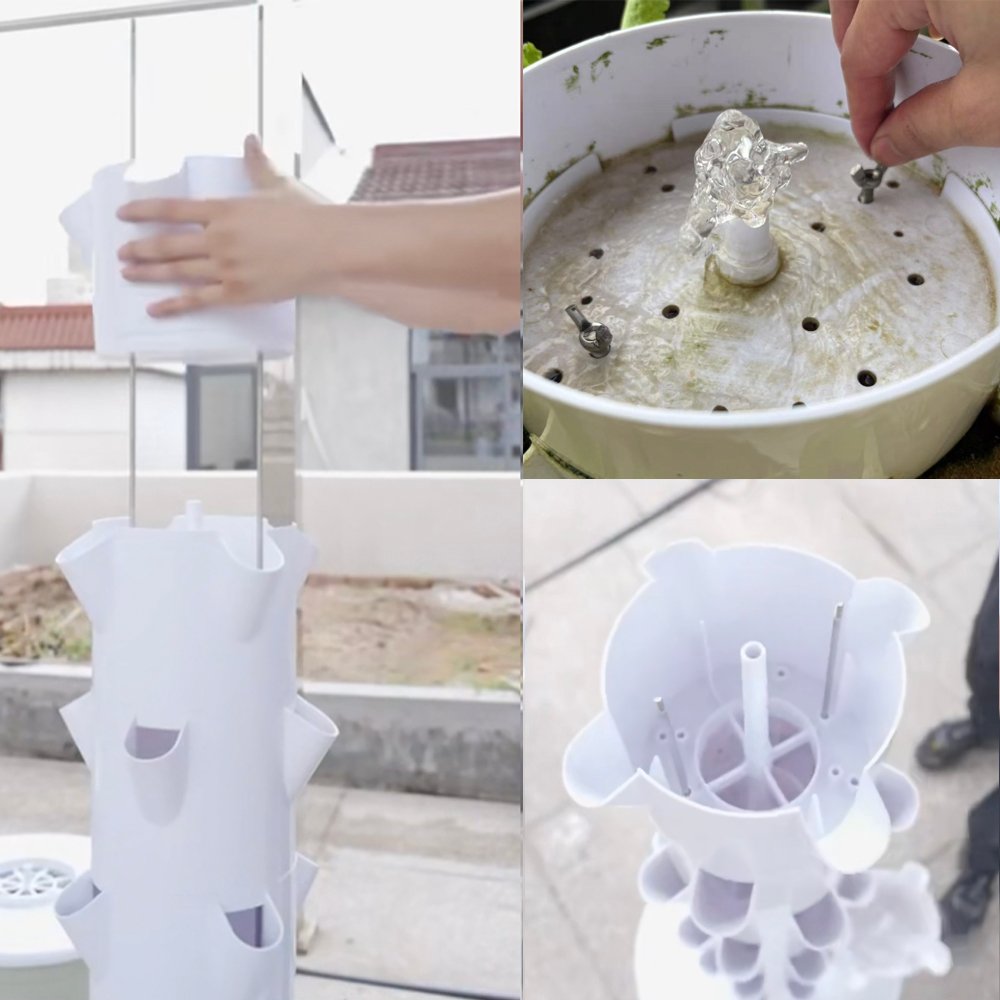
Cash flow kills new dealers faster than competition. Towers are bulky, and stocking finished units costs you both warehouse space and working capital, so the usual model is: one demo unit and one sellable unit on the floor, everything else drop-shipped or ordered in container cycles. What you do stock – without exception – is the parts basket. A customer with a dead pump is not going to wait for your container to clear customs.
| Part | Quantity per 100 towers (5-yr rolling) | Service life | Stock level for a regional dealer |
|---|---|---|---|
| Circulation pump | 100 units (one full replacement round) | 2-4 years | 6-10 units |
| Air pump / aerator | 60-100 | 2-4 years | 4-8 units |
| Spray nozzles | 400 (4 per tower) | 12-24 months | 60-120 units |
| Seals and O-rings | Bulk sets | 1-2 years | 200+ pieces |
| Float valves | 40-70 | 3-5 years | 6-10 units |
| Net pots | Available as packs | Reusable, 2-4 seasons | 500+ pieces |
| Fittings and tubing | Bulk | 3-5 years | Assorted kit |
Across the whole fleet, parts and consumables run roughly $200-480 per tower over five years, which is exactly the revenue a dealership lives on after the initial sale. Stock to a service level, not to a catalog: pumps, nozzles, seals, and float valves cover more than 80% of real service calls. Everything else can ship from the factory on the next consolidated order. If you are planning your first container, our guide to FOB, CIF, and DDP terms explains where responsibility changes hands and how to avoid paying twice for freight.
Ask any successful horticultural equipment dealer how they built the business and the answer is service, not price. Tower systems are mechanically simple, which is good news: the failure modes are few and predictable – a clogged nozzle, a tired pump, an algae bloom, a float valve that sticks, a nutrient dosing error. A dealer with a parts shelf and a two-hour response time becomes the default supplier in their region within two seasons.
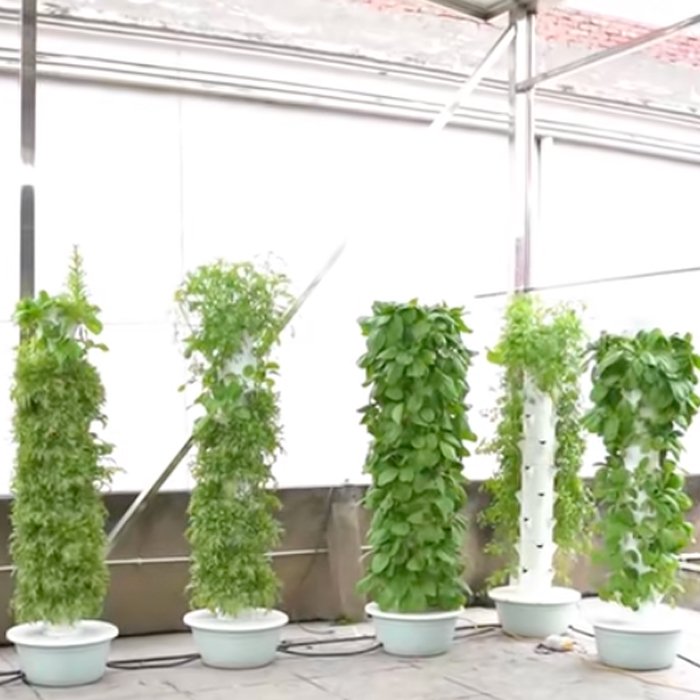
Towers sell visually. A working unit with green plants in the middle of a garden center or an agricultural trade show booth outperforms any brochure, because the buyer can see the crop density, touch the structure, and understand the footprint in ten seconds. Plan for one demo tower with lights and one bare demo unit you can take apart to show plumbing and nozzle placement.
The economics of a demo unit are easy to justify: one converted prospect pays for the demo tower and the freight several times over. What breaks dealers is treating the demo as a showpiece instead of a working reference site, so it ends up unlit and unplanted in a corner by month three. Plant it, photograph it, and use the harvest.
Before signing, ask the factory what marketing material comes with the program. A serious factory-direct partner should provide professional product photography on white and in situ, dimensional drawings with both metric and imperial measurements, spec sheets per model, planting-site capacity tables, spare parts lists with numbers, install and commissioning video, listing copy and images you can reuse on your own site, and a co-branding policy that tells you exactly how you may use their name. If a supplier cannot produce a parts list and a dimensional drawing, they are a trading company, not a manufacturer, and your after-sales problem will be permanent. Our guide to choosing a manufacturer covers how to verify that claim, and private-label customization explains what changes when you want your own brand on the frame.
Less than most people expect, because the model is built on one or two demonstration units plus a parts shelf. Your largest line item is usually the demo tower with lighting, followed by the first spare parts order and a small marketing budget. Inventory of finished towers should be minimized – order in container cycles against customer deposits rather than stocking ahead of demand.
No, but you need enough to answer basic operating questions and to commission a system with confidence. That is what dealer training is for. Most successful tower dealers come from irrigation, greenhouse, garden retail, or equipment sales backgrounds, and they lean on the factory for agronomic depth while they own the commercial relationship.
In most cases yes, above a defined volume, and the practical requirements are a minimum order quantity, artwork and color specifications, and a longer lead time for the first run. Frame color, logo placement, packaging, and documentation are the usual customization points. Confirm what stays fixed – structural tooling and dimension standards usually do – before you promise a customer a bespoke machine.
On the sale of the hardware alone, plan for 25-40% gross margin over landed cost depending on how much installation and training you bundle. Dealers who add commissioning, a service contract, and the nutrient and media basket routinely operate above 50% blended margin on the account, because the recurring orders carry less price resistance than the capital purchase.
We build commercial tower systems in our own factory and work directly with dealers, distributors, and private-label partners rather than through layers of trading companies. That means transparent ex-works pricing, custom layer counts and hole density for your market, spare parts and consumables packed with every container, dimensional drawings and parts lists with real part numbers, and commissioning support when your first units land. If you want a partner who answers technical questions instead of forwarding them, send us your target region, your customer type, and the volume you expect in year one. If you are new to the category, start with the commercial farm business plan guide and our fast-turn microgreens and edible flower protocol so you can speak your customers’ language from the first meeting.
